ccb-logo-vertical-shadowccb-logo-vertical-shadowccb-logo-vertical-shadowccb-logo-vertical-shadow
  • About Us
    • From the Director
    • Annual Report
    • Mission
    • History
    • Equipment Use Rates
    • Staff
    • Contact Information
  • What We Do
    • Education
      • Students
      • Internships
      • Public Presentations
    • Research
      • Species of Concern
        • Bald Eagle
          • Eagle Nest Locator
          • Annual Survey
          • Report a Nest
          • EagleTrak & Blog
          • Eagle Nest Blog
          • Facts About Eagles
          • Status in Virginia
          • Eagle Roosts
          • Migratory Populations
          • Eagle Video
          • Eagle Bands
          • Partners
        • Black Rail
          • Population
          • Protection Status
          • Threats
          • Working Group
        • Peregrine Falcon
          • Species Profile
          • Natural History
          • Falcon Populations
          • Virginia Reintroduction
          • Virginia Hacking
          • Virginia Monitoring
          • Virginia Management
          • FalconTrak
          • Report Falcon Sightings
          • Partners
        • Shorebird Roost Registry
        • Species of Concern Projects
      • Bird Migration
        • Bird Migration Projects
      • Human Impacts
        • Human Impacts Projects
      • Ecological Services
        • Ecological Services Projects
      • Tracking
        • Tracking Projects
  • Resources
    • Project Portal
    • Mapping Portal
    • Eagle Nest Locator
    • Publications
    • The Raven
    • Baker Library
      • Paul Seaman Baker
      • Contribute
  • News Room
    • News Stories
    • Press Releases
    • Media Coverage
    • Photo Essays
    • Conservation Stories
    • Blogs
      • EagleTrak Blog
      • Eagle Nest Blog
  • GIVE
✕

News Stories

  • Home
  • News Room
  • News Stories
April 3, 2020
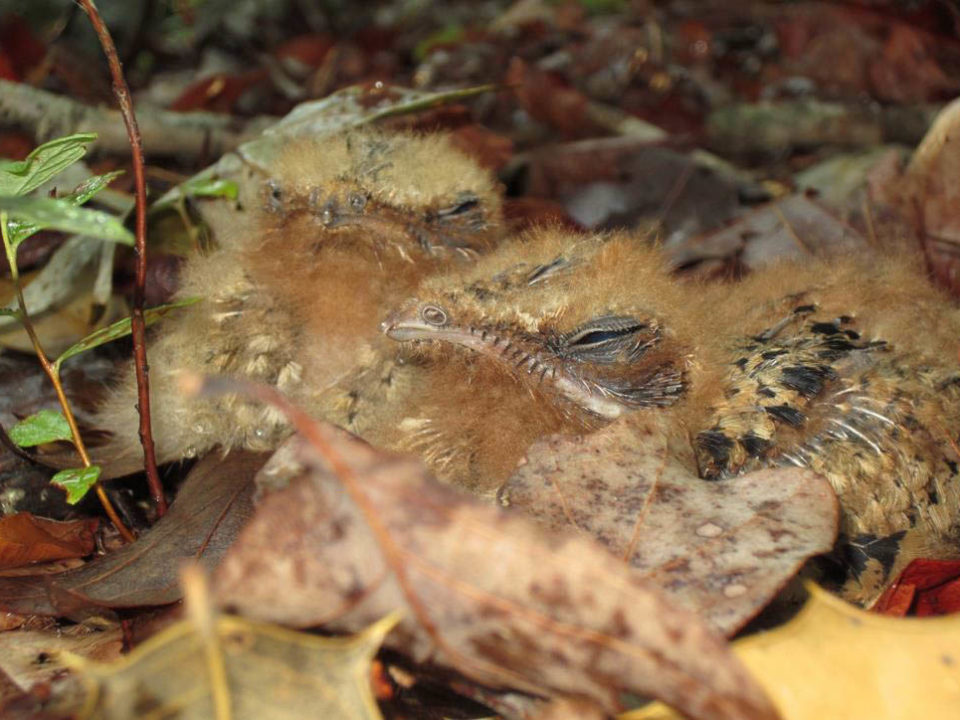
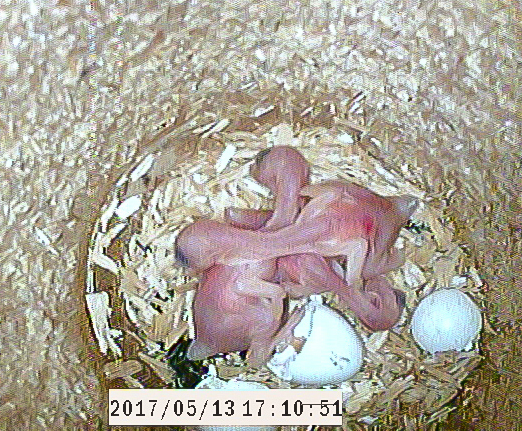
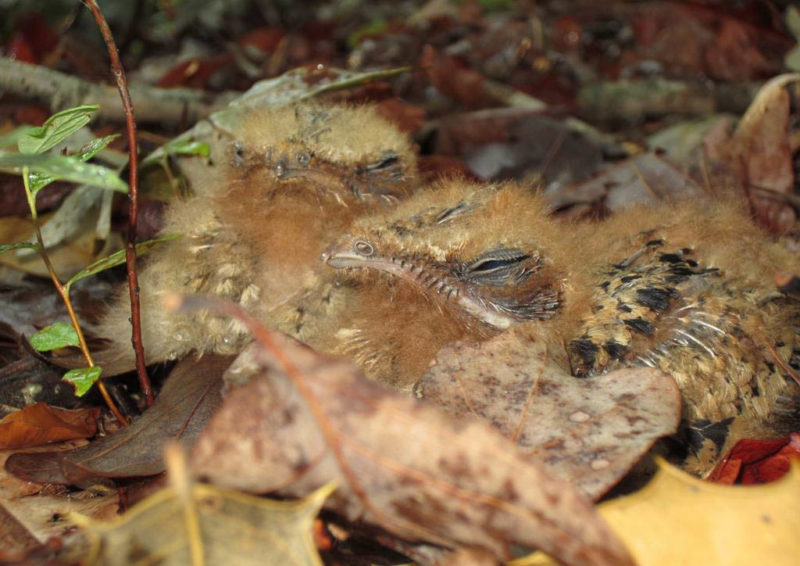
10-day-old Chuck-will’s-widow chicks on nest
Published by Center for Conservation Biology at April 3, 2020
Categories
  • News Story
  • Uncategorized

U.S. Nightjar Survey Network prepares for 2020 Season

By: Laura Duval3/24/2020 As many of you read this, migrant birds, including our beloved nightjars, are on a taxing journey from their wintering grounds as far […]
Do you like it?
Read more
April 2, 2020
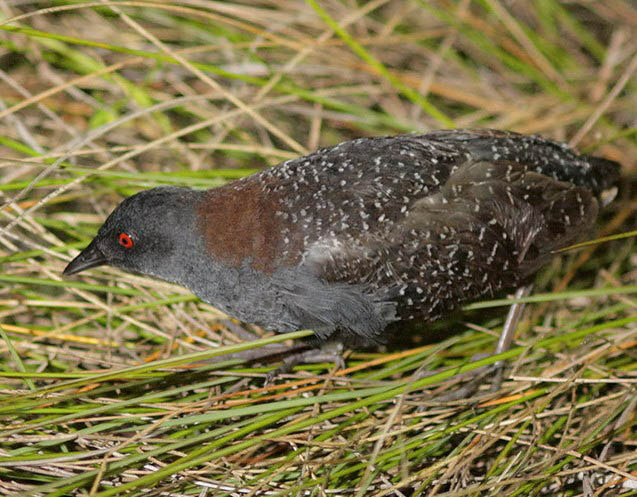
Black Rail on marsh grass.
Published by Center for Conservation Biology at April 2, 2020
Categories
  • News Story

Rapid Assessment of Black Rails in South Florida

By Bryan Watts4/2/2020 In late February of this year, CCB dispatched a team of five biologists including Marie Pitts, Laura Duval, Chance Hines, Bart Paxton and […]
Do you like it?
Read more
April 2, 2020
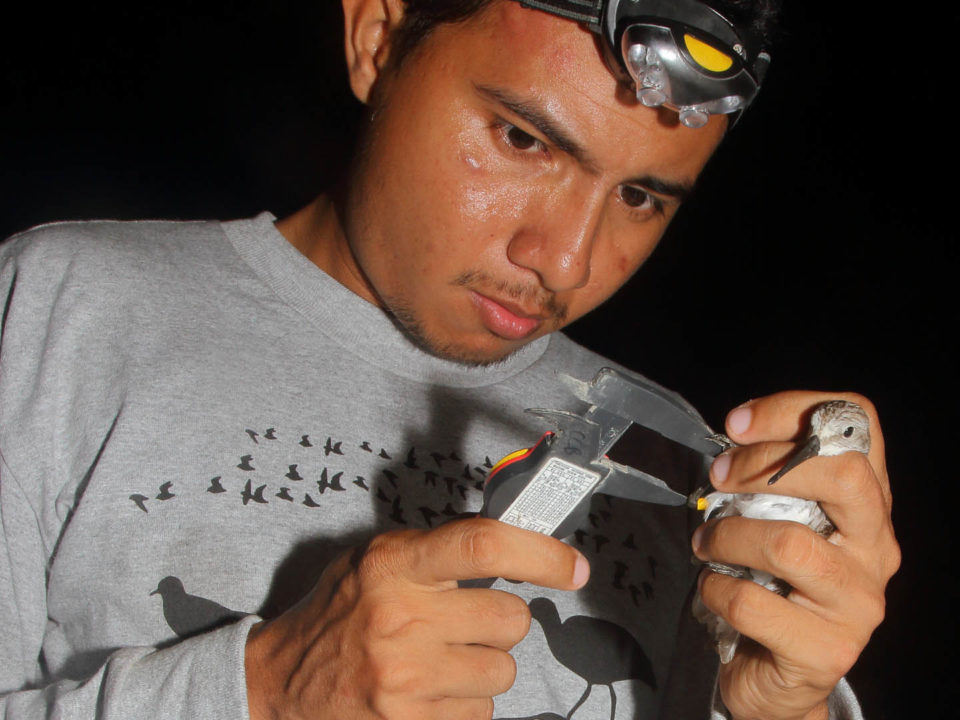
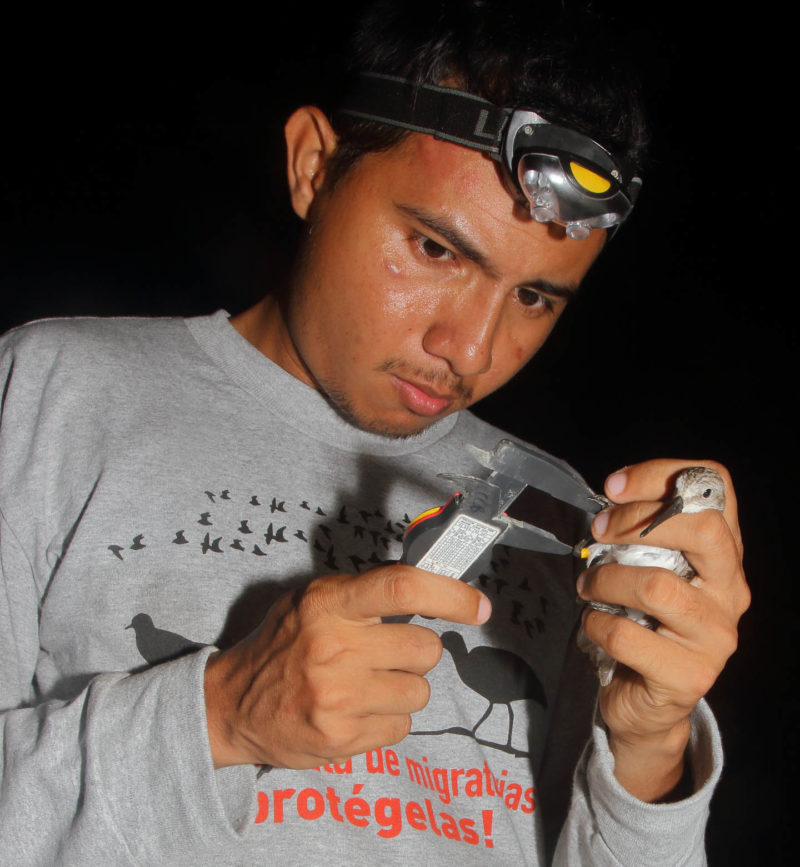
Christian Torres uses a dial caliper to measure the tarsus of a western sandpiper
Published by Center for Conservation Biology at April 2, 2020
Categories
  • News Story

Building Local Capacity in Panama

By Bryan Watts4/1/2020 For the fifth time in as many years, CCB biologists have traveled to Panama to train local biologists and volunteers on shorebird field […]
Do you like it?
Read more
April 1, 2020
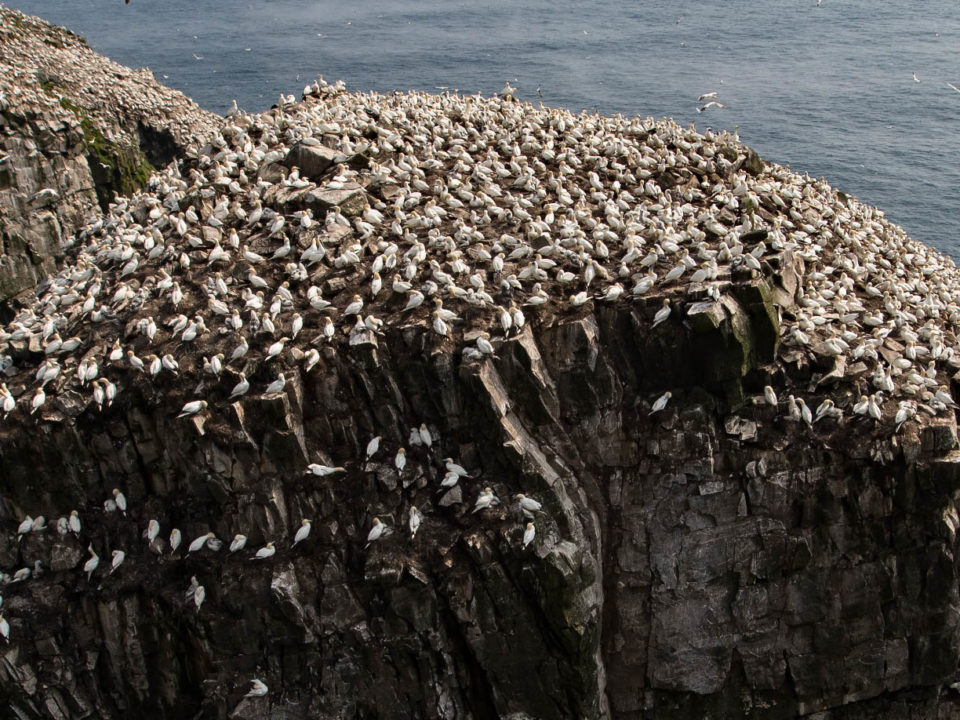
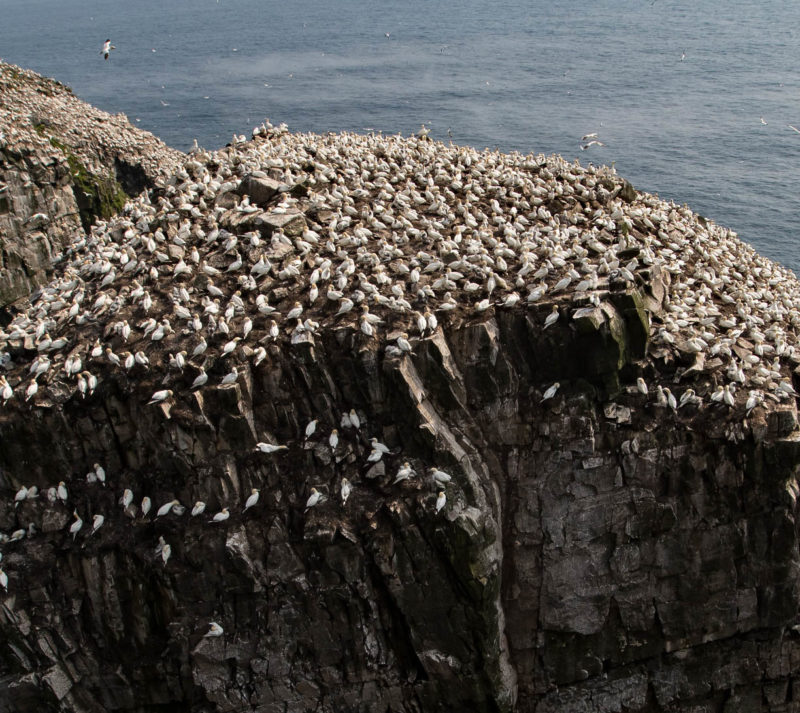
Social distancing is common within seabird colonies such as those of northern gannets
Published by Center for Conservation Biology at April 1, 2020
Categories
  • News Story

Social distancing in birds

By Bryan Watts 3/31/2020 One of many things that the Covid-19 pandemic will be remembered for is the introduction of the term “social distancing” to the […]
Do you like it?
Read more
January 27, 2020
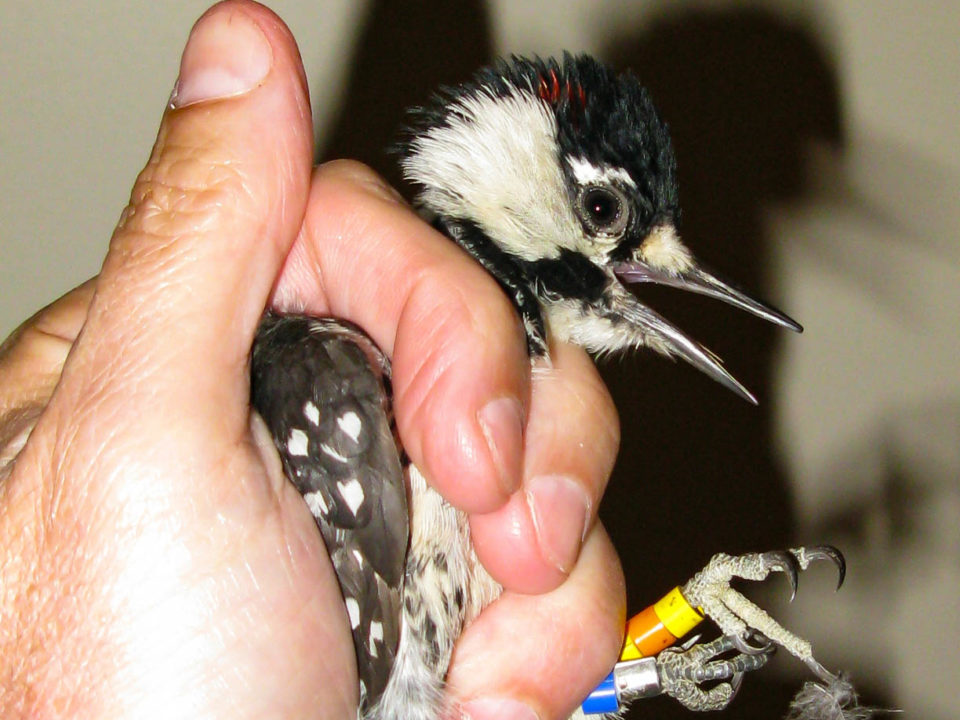
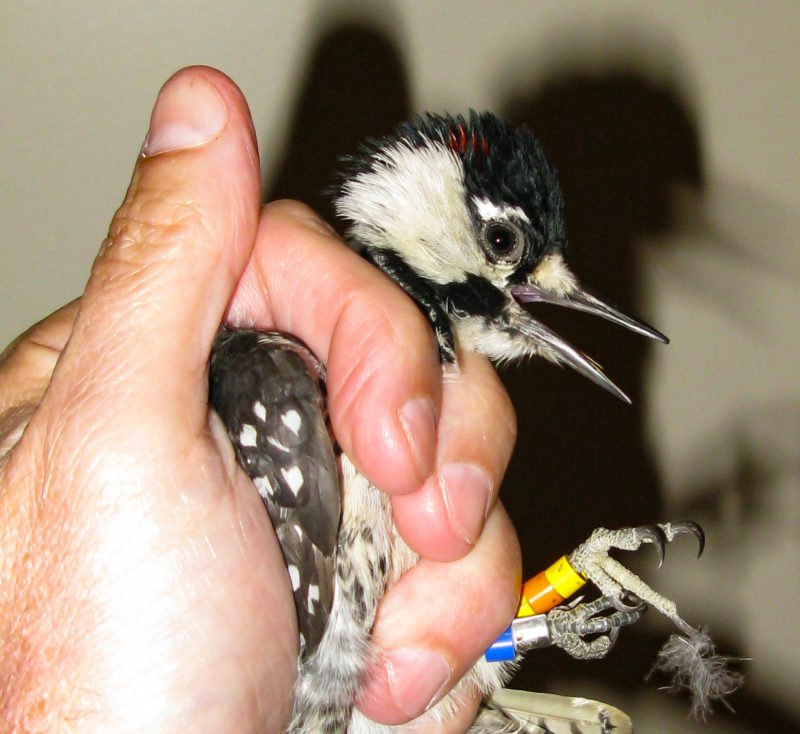
A sleepy, young male woodpecker ready to be placed in an artificial cavity after being translocated
Published by Center for Conservation Biology at January 27, 2020
Categories
  • News Story

Moving Woodpeckers 5

By Bryan Watts1/26/2020 Chance Hines and I arrived in cluster 13 of Piney Grove Preserve more than an hour before sunset.  We knew the roost cavity […]
Do you like it?
Read more
January 23, 2020
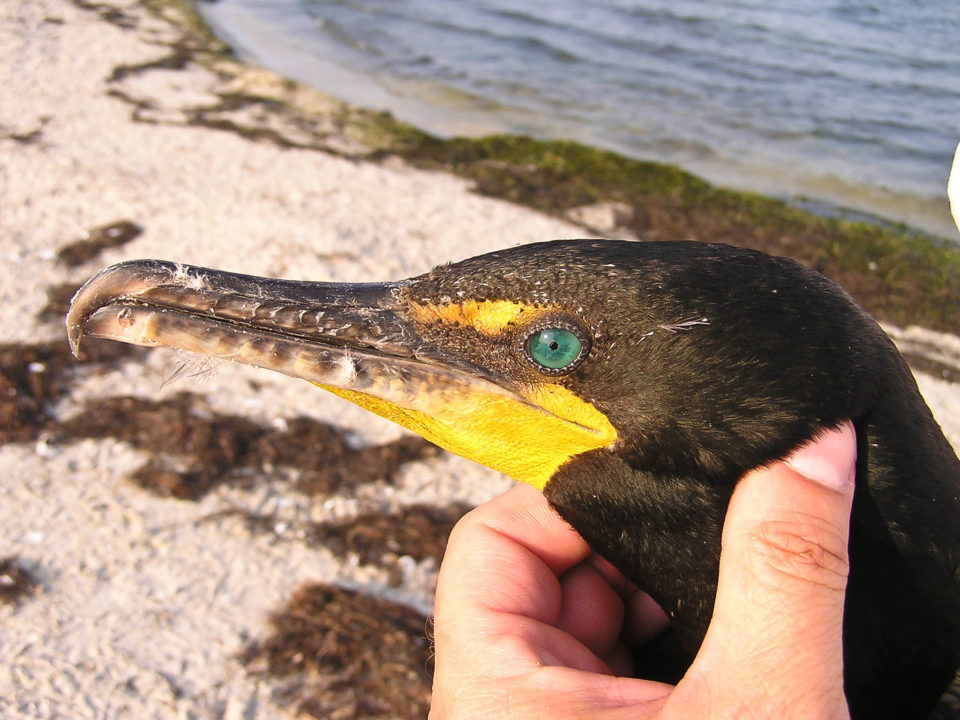
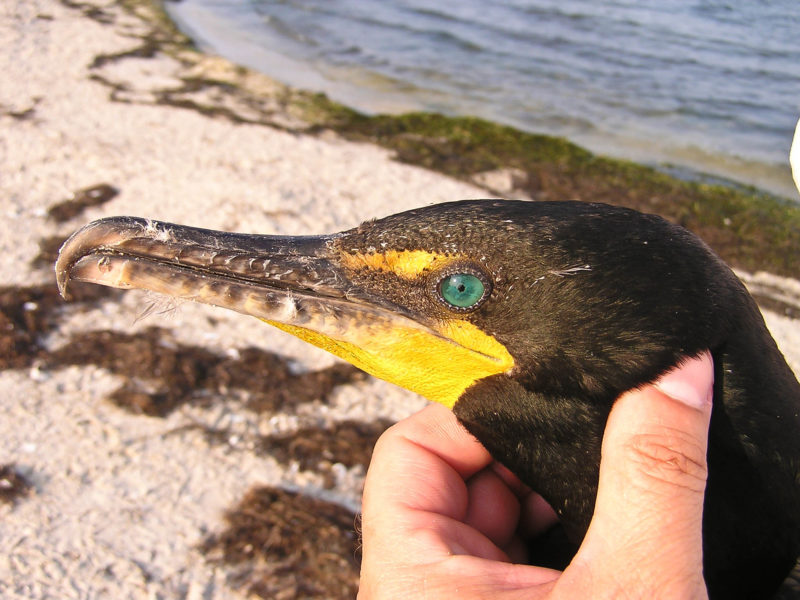
Double-crested cormorant in the hand.
Published by Center for Conservation Biology at January 23, 2020
Categories
  • News Story

Counting Cormorants

By Bryan Watts 1/23/2020 The Center for Conservation Biology has joined forces with the North Carolina Wildlife Commission to estimate the number of cormorants that spend […]
Do you like it?
Read more
January 23, 2020
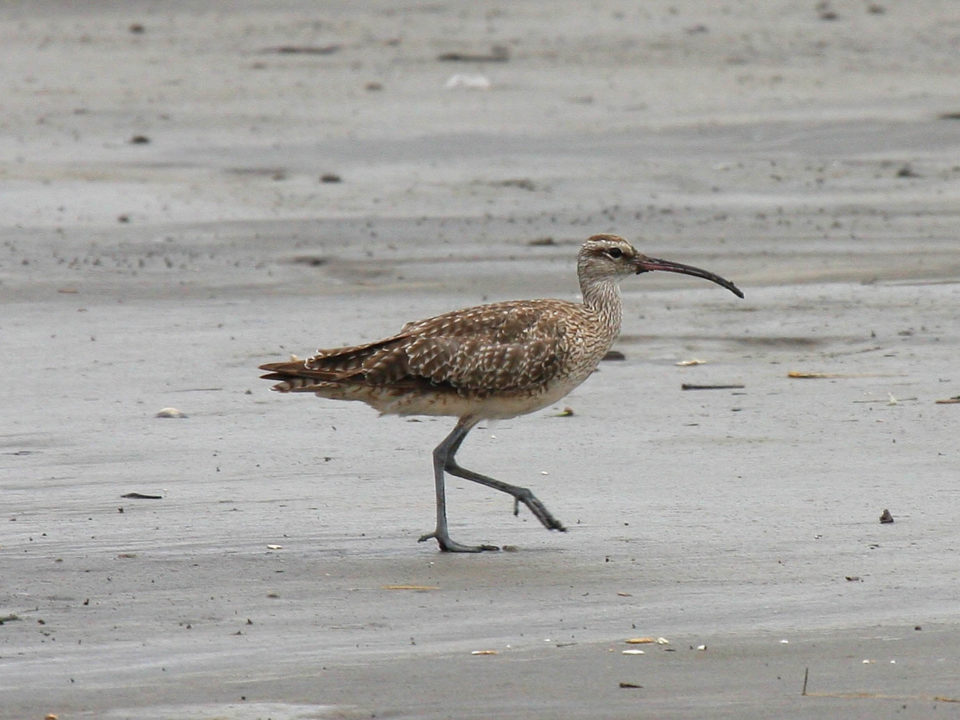
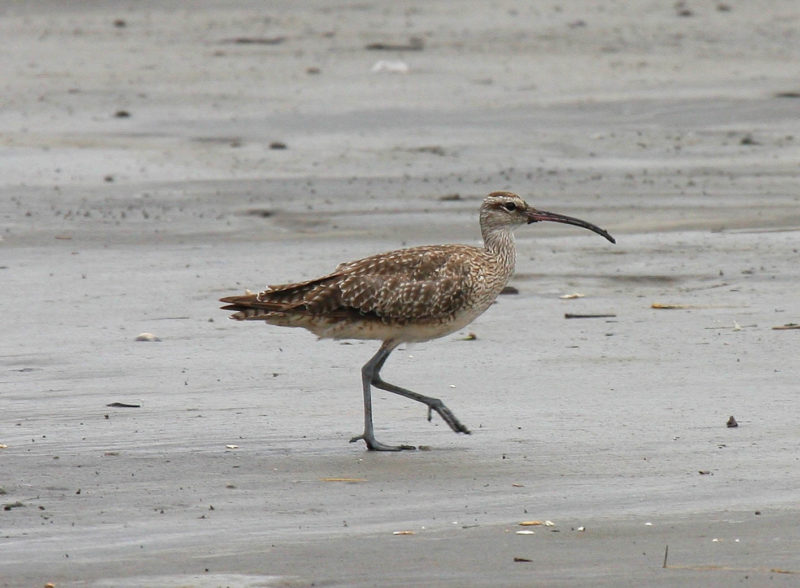
Whimbrels and scores of other shorebirds that depend on mudflats along the northern coast of Brazil
Published by Center for Conservation Biology at January 23, 2020
Categories
  • News Story

Oil spill threatens shorebird Mecca

By Bryan Watts 1/22/2020 Since late August 2019 when the first large, black globs of crude oil began washing ashore along the coast of Brazil, the […]
Do you like it?
Read more
January 21, 2020
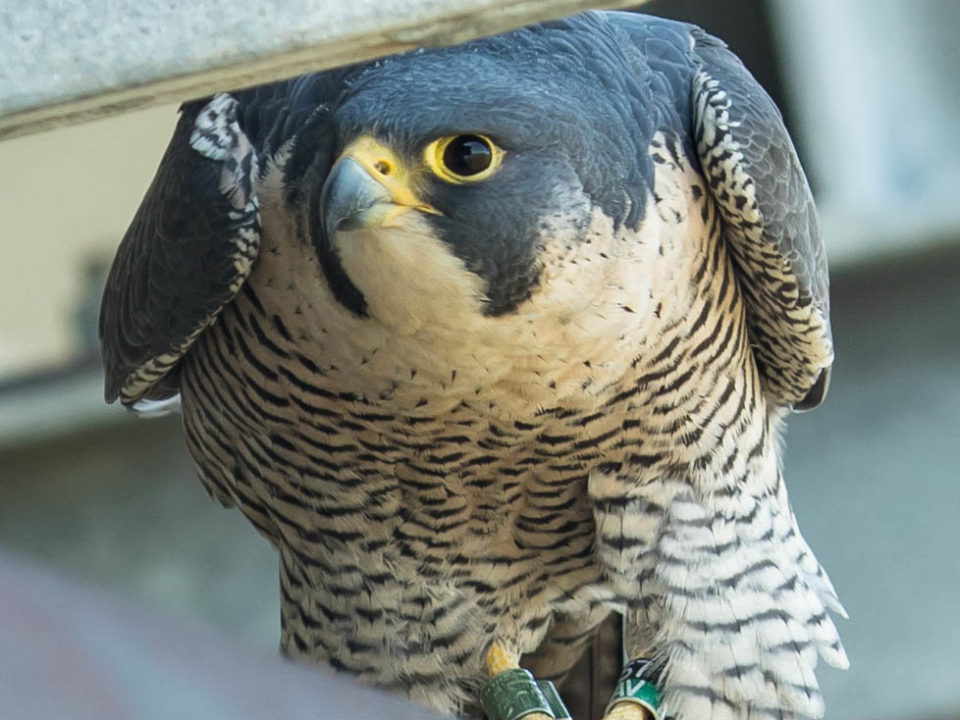
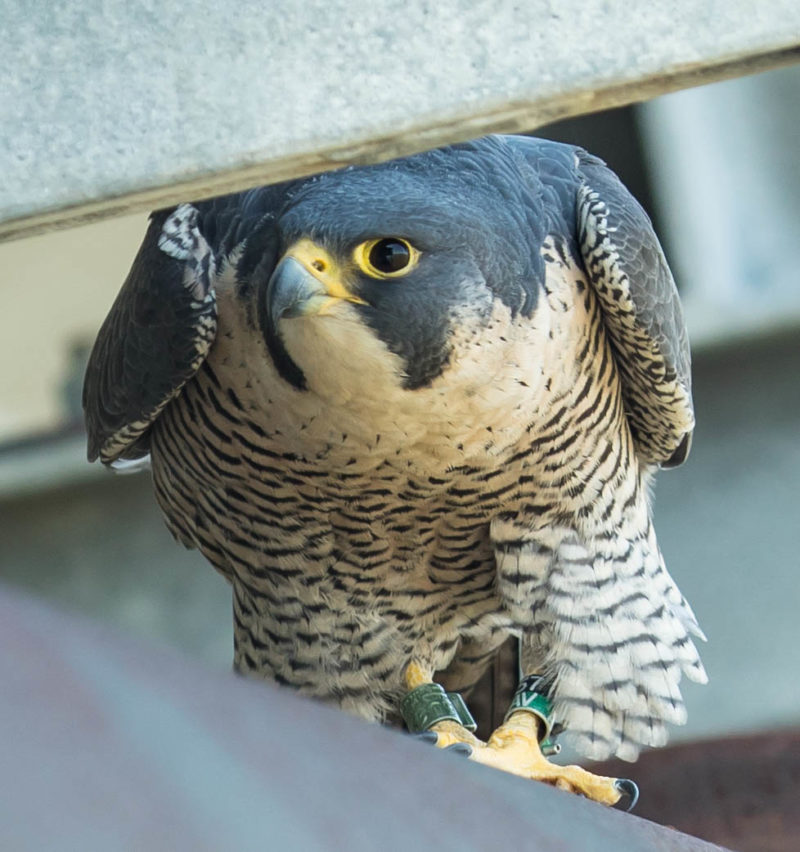
Adult female peeks under a beam
Published by Center for Conservation Biology at January 21, 2020
Categories
  • News Story

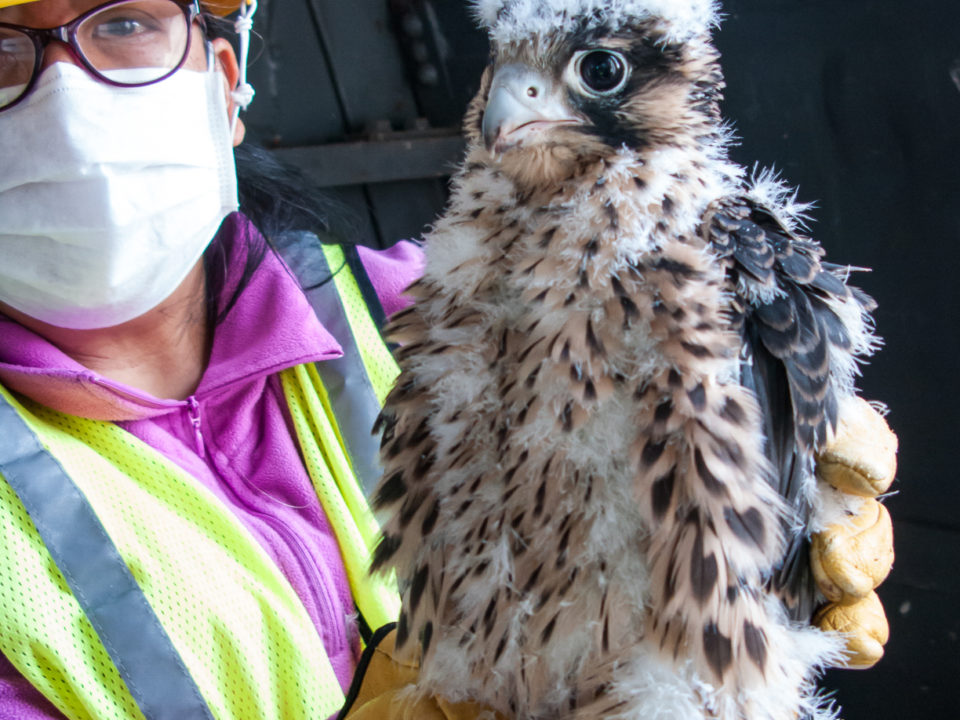
Virginia peregrines produce big in 2019

By Bryan Watts 1/21/2020 By any standard 2019 was a good year for peregrine falcons in Virginia.  The breeding season was the most productive in the […]
Do you like it?
Read more
September 30, 2019
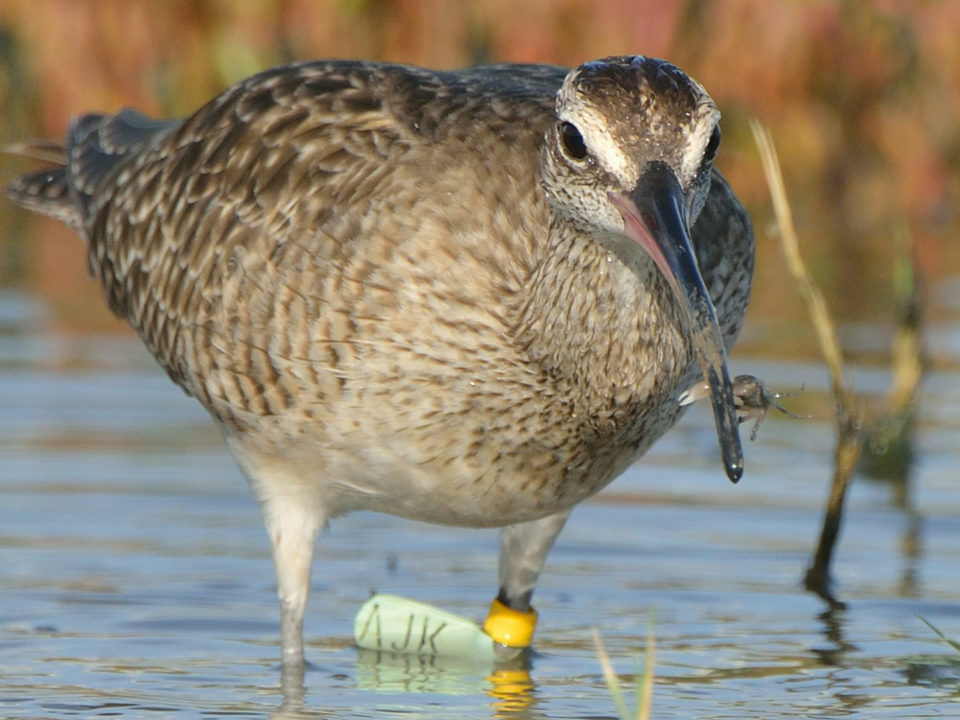
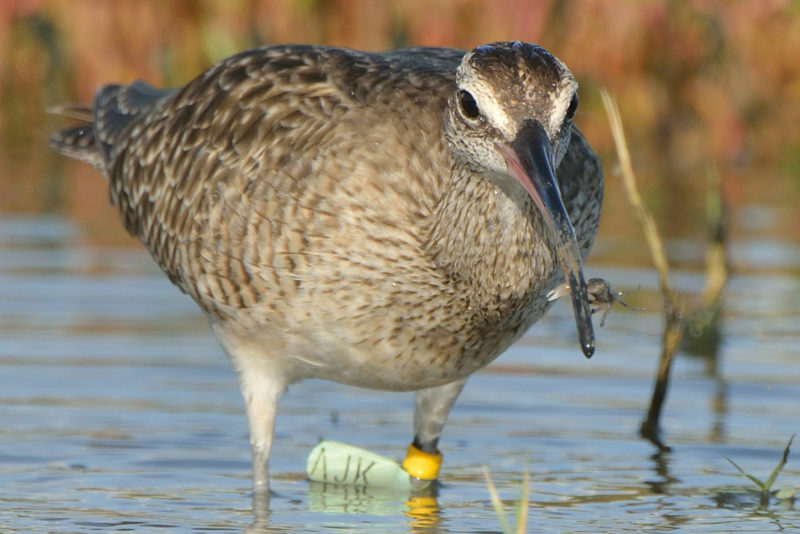
Whimbrel AJK foraging near Santa Anna, Aruba.
Published by Center for Conservation Biology at September 30, 2019
Categories
  • News Story

Whimbrel AJK returns to Aruba

By Bryan Watts 9/30/19 Many North American residents flee their homes during the cold winter months to spend time in Aruba.  Due to its dry climate […]
Do you like it?
Read more
September 30, 2019
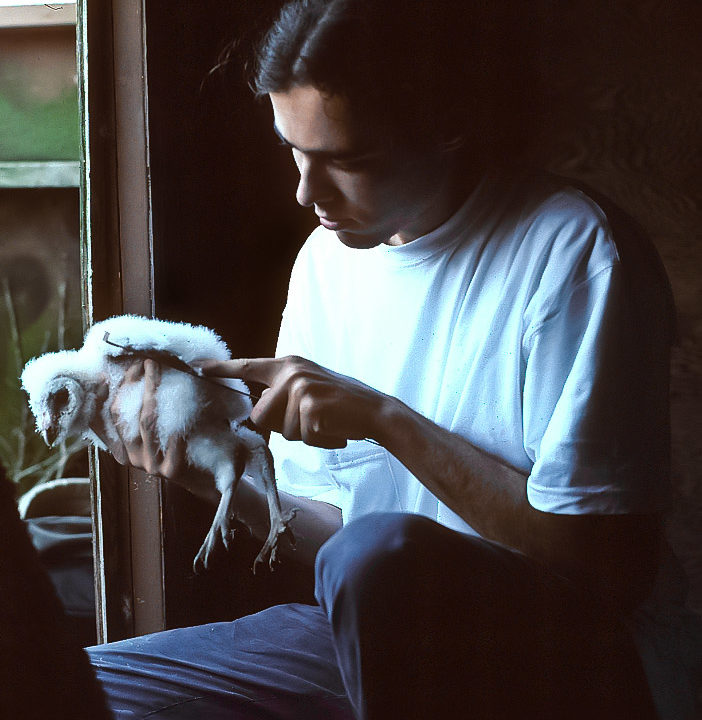
David Whelan bands a young barn owl
Published by Center for Conservation Biology at September 30, 2019
Categories
  • News Story

Barn owl blues

By Bryan Watts 9/30/19 Few experiences take us back to the Halloweens of childhood like climbing up into a silo or hayloft at night and hearing […]
Do you like it?
Read more
September 23, 2019
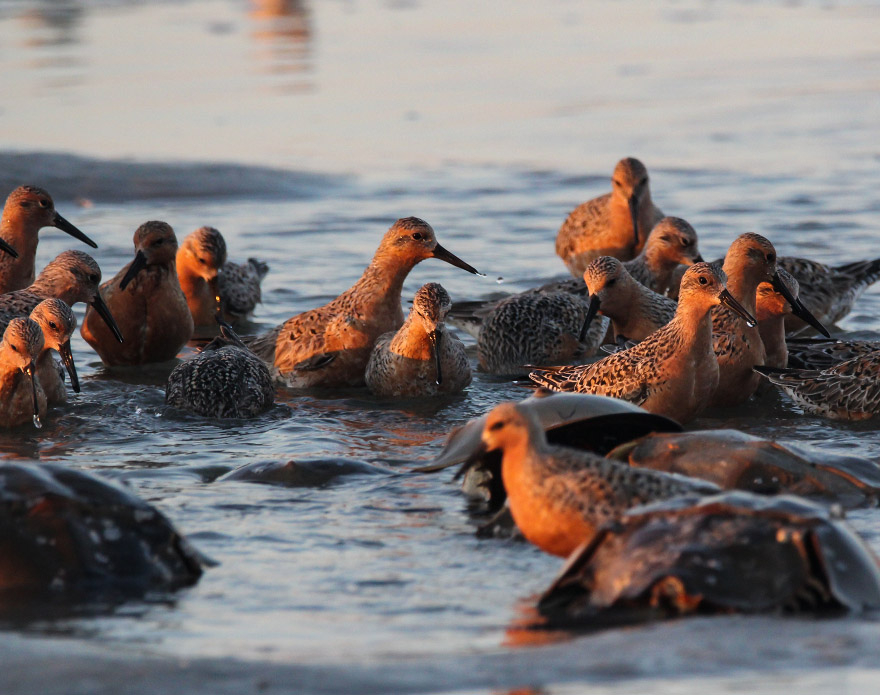
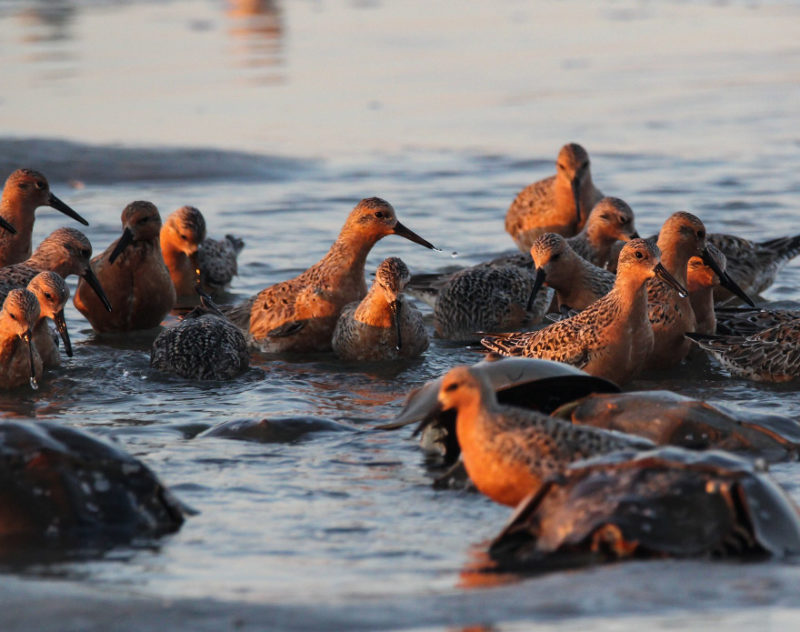
Group of red knots interspersed with spawning horseshoe crabs
Published by Center for Conservation Biology at September 23, 2019
Categories
  • News Story

CCB team spends fifth spring with red knots along South Atlantic Coast

By Bryan Watts 9/15/19 For the fifth spring season, Fletcher Smith led a field team working with red knots along the South Atlantic Coast.  The rufa […]
Do you like it?
Read more
September 13, 2019
Published by Center for Conservation Biology at September 13, 2019
Categories
  • News Story

Hatching rates in Virginia red-cockaded woodpeckers

By Bryan Watts9/13/19 Woodpecker clutches are like a box of chocolates – you never know what you are going to get.  Some years are all hat […]
Do you like it?
Read more
September 13, 2019
Published by Center for Conservation Biology at September 13, 2019
Categories
  • News Story

There are Still Wizards: A film

By Bryan Watts 9/11/19 Dolphin ecologist turned film maker Jennifer Lewis is making a new film titled “There are Still Wizards” (visit the film’s IFP site […]
Do you like it?
Read more
July 11, 2019
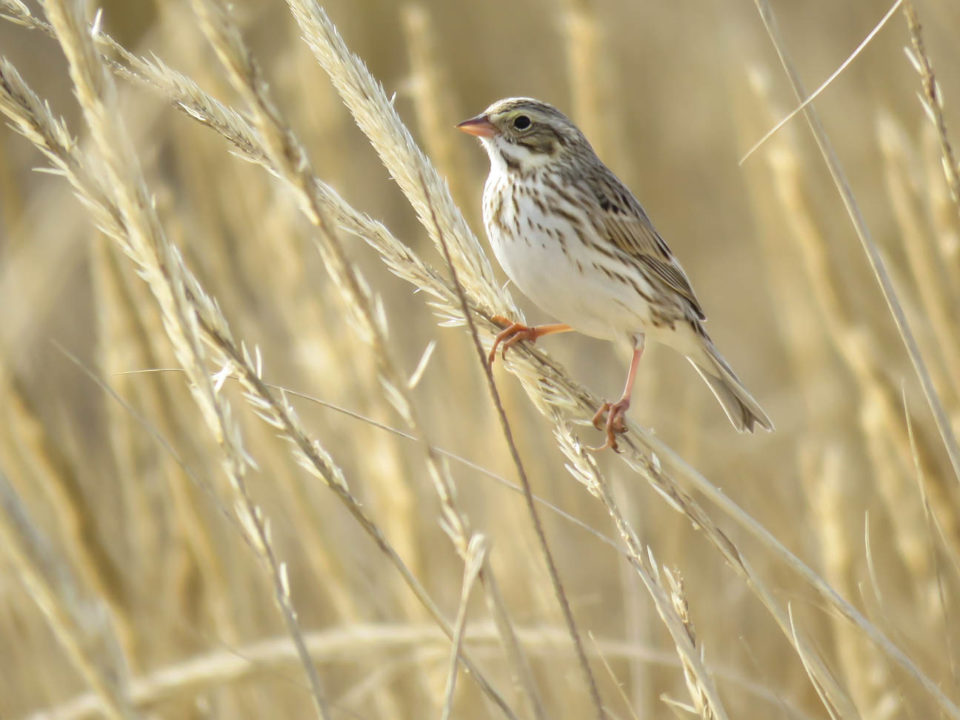
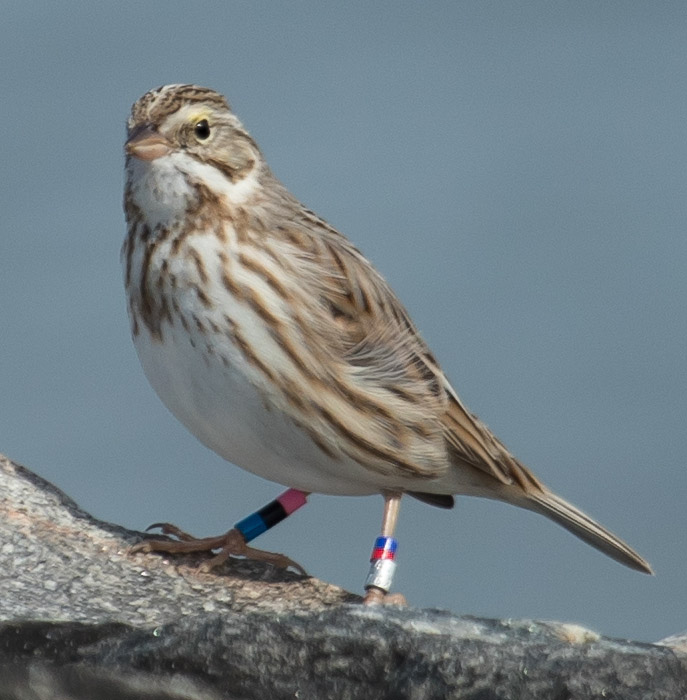
Ipswich sparrow with color bands
Published by Center for Conservation Biology at July 11, 2019
Categories
  • News Story

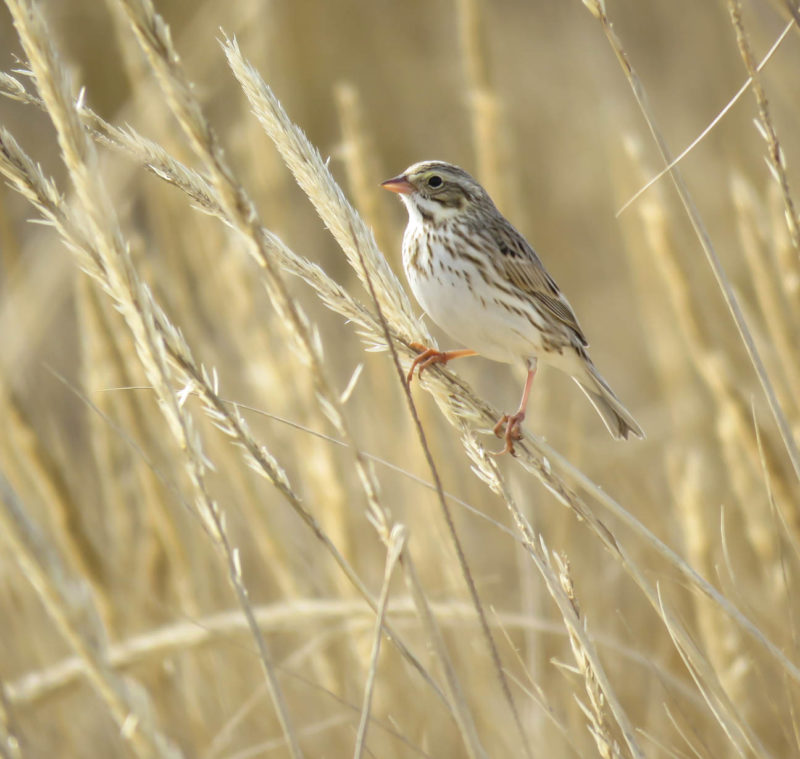
Assateague and Sable Islands – Bookends to Ipswich conservation

By Bryan Watts | bdwatt@wm.edu | (757) 221-2247July 11, 2019 Sable Island, lying some 180 kilometers off the northeast coast of Nova Scotia, and Assateague Island, […]
Do you like it?
Read more
July 9, 2019
Chance Hines uses a Pesola spring scale to weigh a nestling during the banding process.
Published by Center for Conservation Biology at July 9, 2019
Categories
  • News Story

Virginia woodpeckers have record year

By Bryan Watts | bdwatt@wm.edu | (757) 221-2247July 6, 2019 Red-cockaded woodpeckers in Virginia had a record-breaking breeding season in 2019, taking another step along their […]
Do you like it?
Read more
July 9, 2019
The double-crested cormorant is one of the great winners over the past 25 years in Virginia
Published by Center for Conservation Biology at July 9, 2019
Categories
  • News Story

Waterbird winners and losers – results of the 2018 survey

By Bryan Watts | bdwatt@wm.edu | (757) 221-2247July 5, 2019 The Center for Conservation Biology has compiled the results of the 2018 colonial waterbird survey that […]
Do you like it?
Read more
July 9, 2019
Civil War scene at Petersburg Battlefield showing scattered survivor trees.
Published by Center for Conservation Biology at July 9, 2019
Categories
  • News Story

Last of the survivor trees

By Bryan Watts | bdwatt@wm.edu | (757) 221-2247July 4, 2019 They were what remained following the devastating land clearing that ran up to and through the […]
Do you like it?
Read more
July 3, 2019
Published by Center for Conservation Biology at July 3, 2019
Categories
  • News Story

James River bald eagles reach symbolic milestone of 300 pairs

By Bryan Watts | bdwatt@wm.edu | (757) 221-2247July 3, 2019 The Center for Conservation Biology at the College of William & Mary and Virginia Commonwealth University […]
Do you like it?
Read more
April 3, 2019
Hope on 26 August 2017 after arriving at Great Pond.
Published by Center for Conservation Biology at April 3, 2019
Categories
  • News Story

Farewell to Hope

By Bryan Watts | bdwatt@wm.edu | (757) 221-2247April 3, 2019 Hope, the whimbrel that was tracked with a satellite transmitter and became a living representation of […]
Do you like it?
Read more
April 2, 2019
Whimbrel in flight with transmitter antennae extending beyond the tail.
Published by Center for Conservation Biology at April 2, 2019
Categories
  • News Story

Seasonal variation in whimbrel mortality

By Bryan Watts | bdwatt@wm.edu | (757) 221-2247April 2, 2019 An alarming percentage of the world’s shorebird species are declining.  Whimbrel populations using the Western Atlantic […]
Do you like it?
Read more
April 2, 2019
Christmas Bird Count crew pose with a new eagle nest on the north end of Smith island
Published by Center for Conservation Biology at April 2, 2019
Categories
  • News Story

Beach-nesting eagles

By Bryan Watts | bdwatt@wm.edu | (757) 221-2247April 2, 2019 Sometimes no matter how long you have worked with a species and no matter how wild […]
Do you like it?
Read more
March 30, 2019
Marian Watts holds a recently-banded chick hatched on the Cobb Island Tower.
Published by Center for Conservation Biology at March 30, 2019
Categories
  • News Story

Virginia peregrines set record high in 2018

By Bryan Watts | bdwatt@wm.edu | (757) 221-2247March 30, 2019 With 32 occupied territories, Virginia supported the largest breeding population of peregrine falcons ever known to […]
Do you like it?
Read more
March 30, 2019
Mitchell Byrd with birthday cake in the CCB conference room in August of 2018.
Published by Center for Conservation Biology at March 30, 2019
Categories
  • News Story

Still flying at 90

By Bryan Watts | bdwatt@wm.edu | (757) 221-2247March 29, 2019 Mitchell Byrd turned 90 in August of 2018, but in early March of 2019 he toed […]
Do you like it?
Read more
January 17, 2019
Adult white ibis with a brood in Virginia.
Published by Center for Conservation Biology at January 17, 2019
Categories
  • News Story

White ibis population explodes in Virginia

By Bryan Watts | bdwatt@wm.edu | (757) 221-2247January 17, 2019 Some species creep forward across the landscape.  They fortify their troops and slowly take ground with […]
Do you like it?
Read more
Prev page
123456789101112131415161718
Next page
  • News Room
    • News Stories
    • Press Releases
    • Media Coverage
    • Photo Essays
    • Conservation Stories
    • Blogs
      • EagleTrak Blog
      • Eagle Nest Blog
      • OspreyTrak Blog

News Archives

GET INVOLVED

Join the Nightjar Network or Become an Osprey Watcher Nightjar Network Osprey Watch

READ

 News Stories
 Conservation stories
 Photo essays

Stay Connected

Sign up for the CCB Newsletter:
* = required field
unsubscribe from list

ABOUT US

From the Director
Annual Report
Mission
History
Staff
Contact us

WHAT WE DO

EDUCATION
Students
Internships
Public presentations

RESEARCH
Species of concern
Bird migration
Human impacts
Ecological services
Tracking

RESOURCES

Project Portal
Mapping Portal
Eagle Nest Locator
Publications
The Raven
Baker Library

NEWS ROOM

News Stories
Media Coverage
Press releases
Conservation Stories
Blogs

Give to CCB

GuideStar Logo

The Center for Conservation Biology
©2022 The Center for Conservation Biology