ccb-logo-vertical-shadowccb-logo-vertical-shadowccb-logo-vertical-shadowccb-logo-vertical-shadow
  • About Us
    • From the Director
    • Annual Report
    • Mission
    • History
    • Equipment Use Rates
    • Staff
    • Contact Information
  • What We Do
    • Education
      • Students
      • Internships
      • Public Presentations
    • Research
      • Species of Concern
        • Bald Eagle
          • Eagle Nest Locator
          • Annual Survey
          • Report a Nest
          • EagleTrak & Blog
          • Eagle Nest Blog
          • Facts About Eagles
          • Status in Virginia
          • Eagle Roosts
          • Migratory Populations
          • Eagle Video
          • Eagle Bands
          • Partners
        • Black Rail
          • Population
          • Protection Status
          • Threats
          • Working Group
        • Peregrine Falcon
          • Species Profile
          • Natural History
          • Falcon Populations
          • Virginia Reintroduction
          • Virginia Hacking
          • Virginia Monitoring
          • Virginia Management
          • FalconTrak
          • Report Falcon Sightings
          • Partners
        • Shorebird Roost Registry
        • Species of Concern Projects
      • Bird Migration
        • Bird Migration Projects
      • Human Impacts
        • Human Impacts Projects
      • Ecological Services
        • Ecological Services Projects
      • Tracking
        • Tracking Projects
  • Resources
    • Project Portal
    • Mapping Portal
    • Eagle Nest Locator
    • Publications
    • The Raven
    • Baker Library
      • Paul Seaman Baker
      • Contribute
  • News Room
    • News Stories
    • Press Releases
    • Media Coverage
    • Photo Essays
    • Conservation Stories
    • Blogs
      • EagleTrak Blog
      • Eagle Nest Blog
  • GIVE
✕

News Stories

  • Home
  • News Room
  • News Stories
January 15, 2019
Published by Center for Conservation Biology at January 15, 2019
Categories
  • News Story

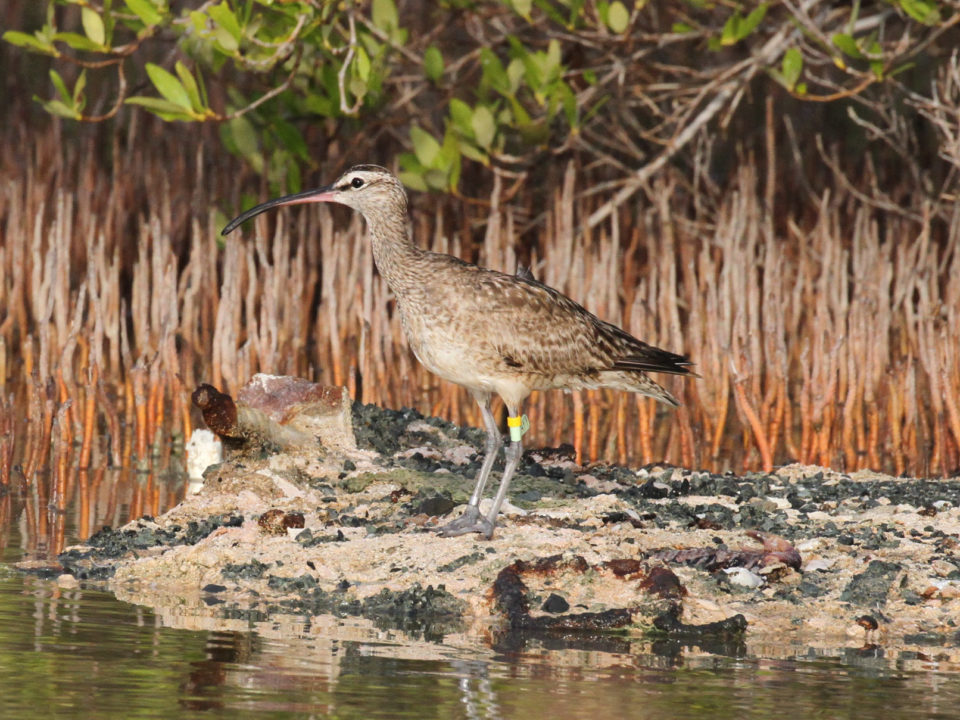
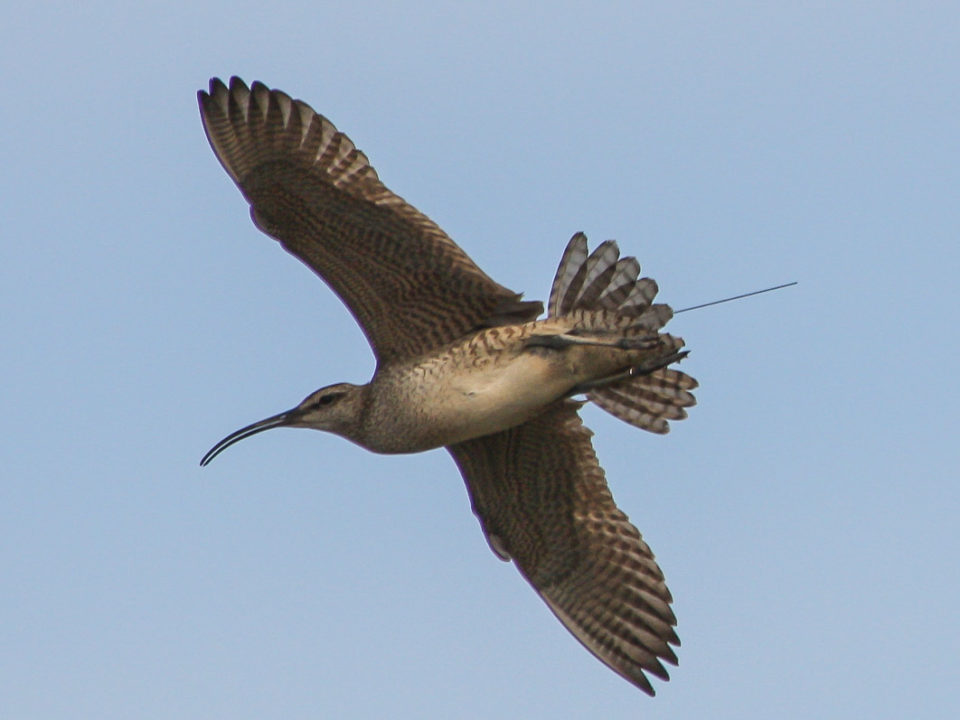
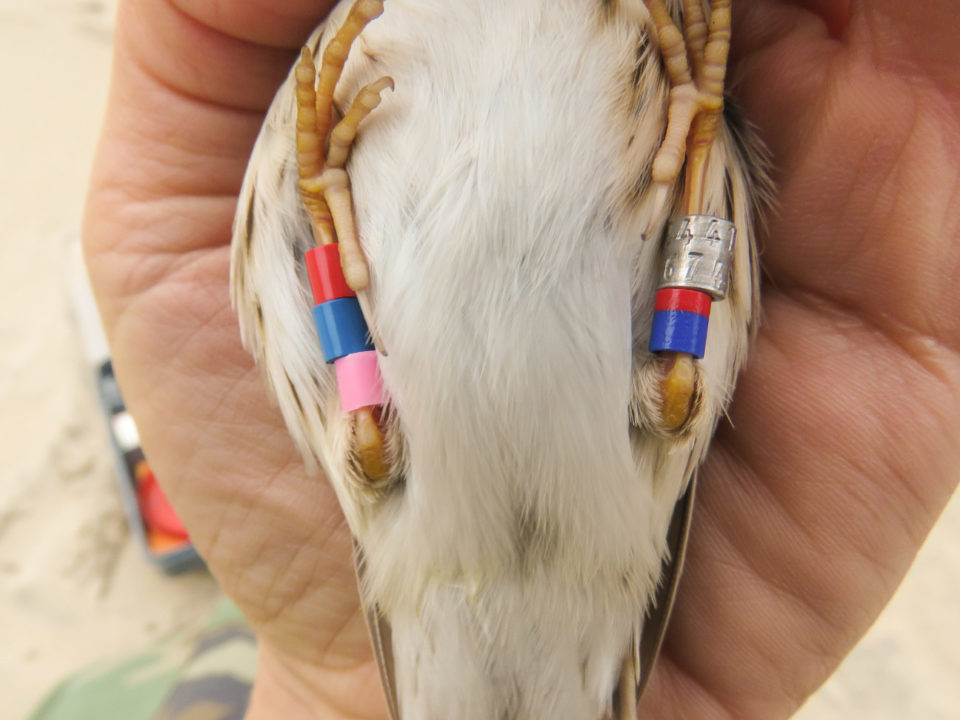
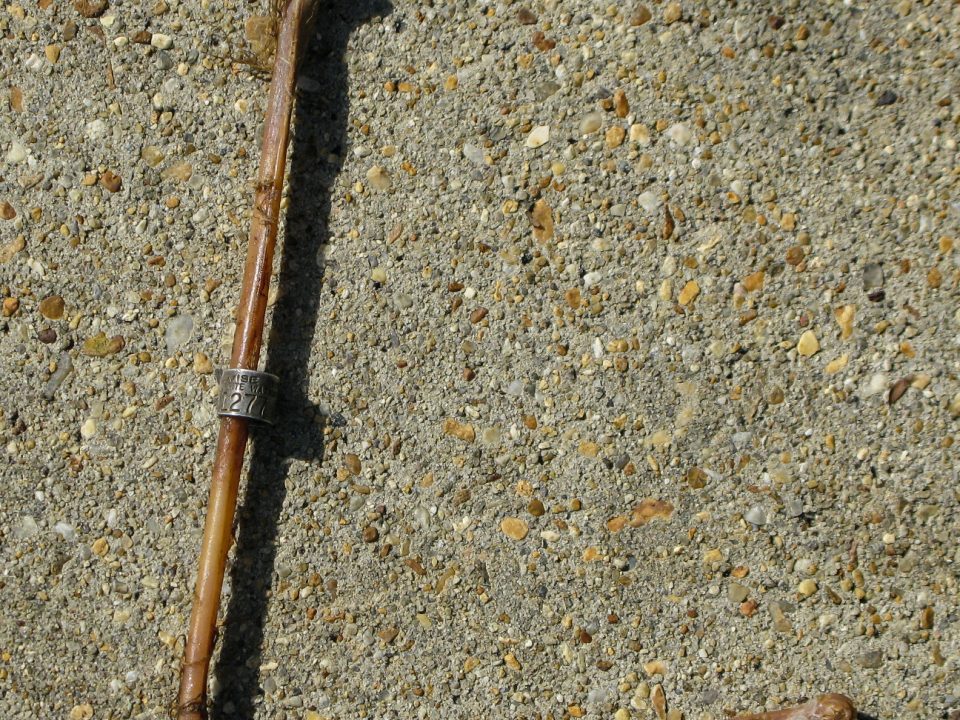
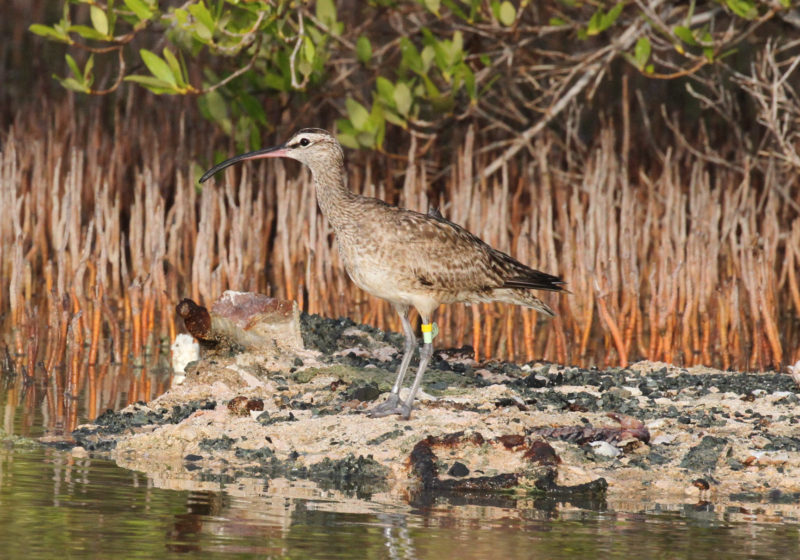
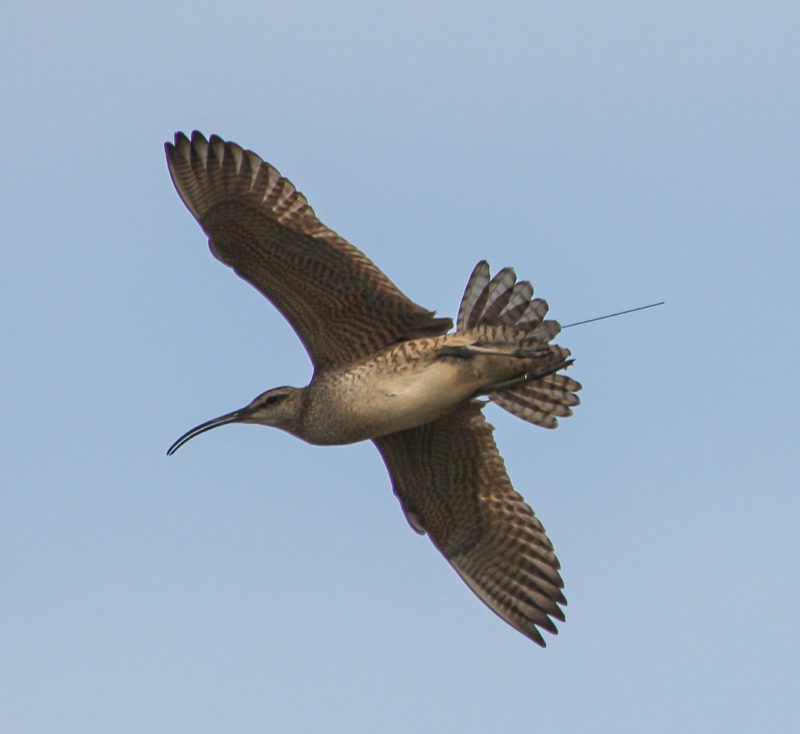
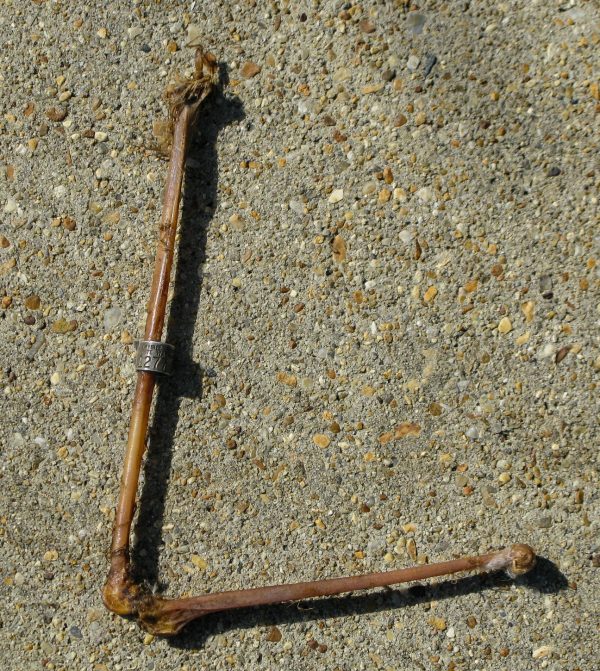
Have you seen me?

By Bryan Watts | bdwatt@wm.edu | (757) 221-2247& Chance Hines | chhines@wm.edu | (757) 221-1696January 15, 2019 The Center for Conservation Biology is asking bird watchers […]
Do you like it?
Read more
January 15, 2019
Published by Center for Conservation Biology at January 15, 2019
Categories
  • News Story

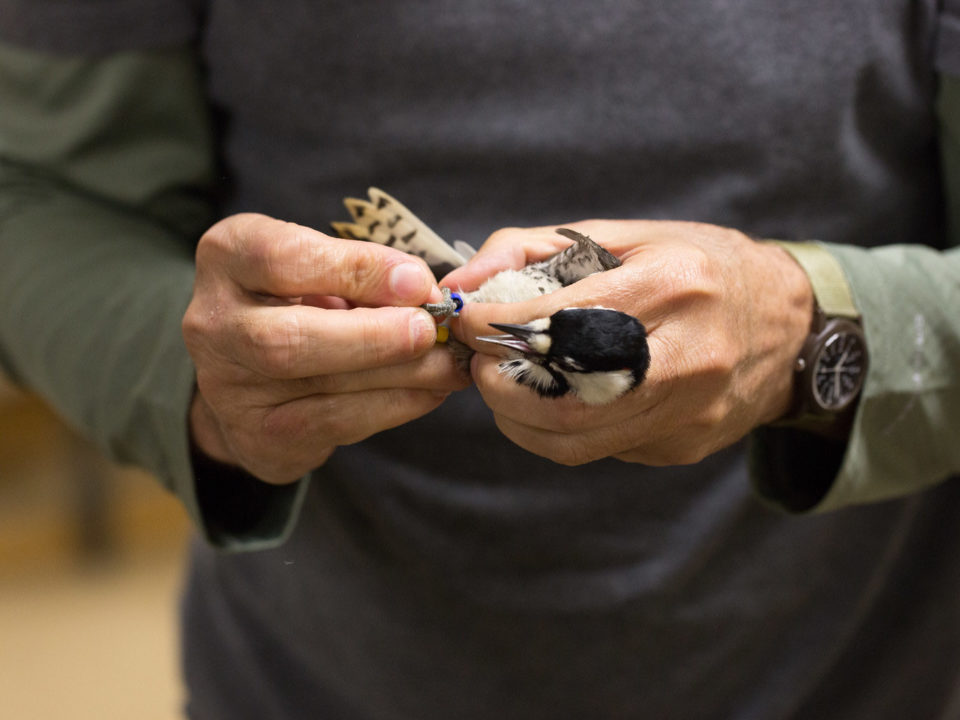
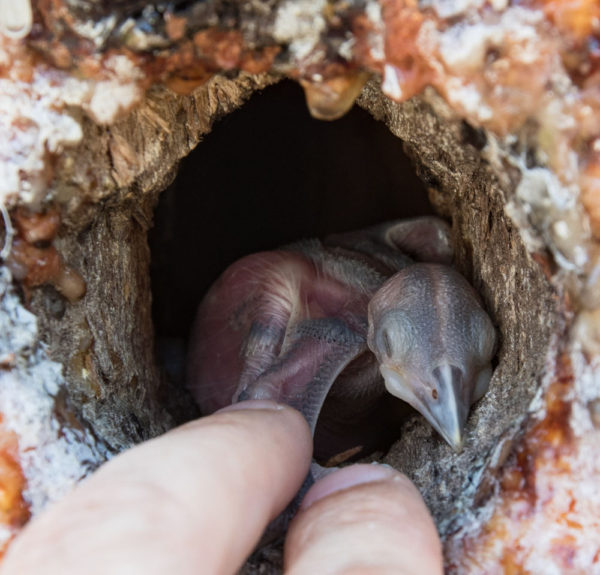
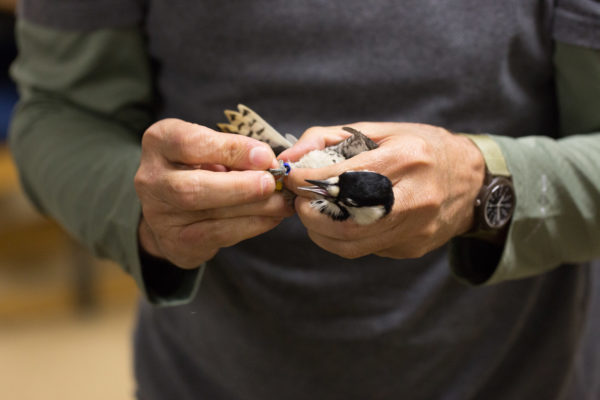
Moving Woodpeckers 4

By Bryan Watts | bdwatt@wm.edu | (757) 221-2247January 16, 2019 For the fourth consecutive year, CCB and a multi-state, multi-agency coalition rallied to capture red-cockaded woodpeckers […]
Do you like it?
Read more
January 14, 2019
Published by Center for Conservation Biology at January 14, 2019
Categories
  • News Story

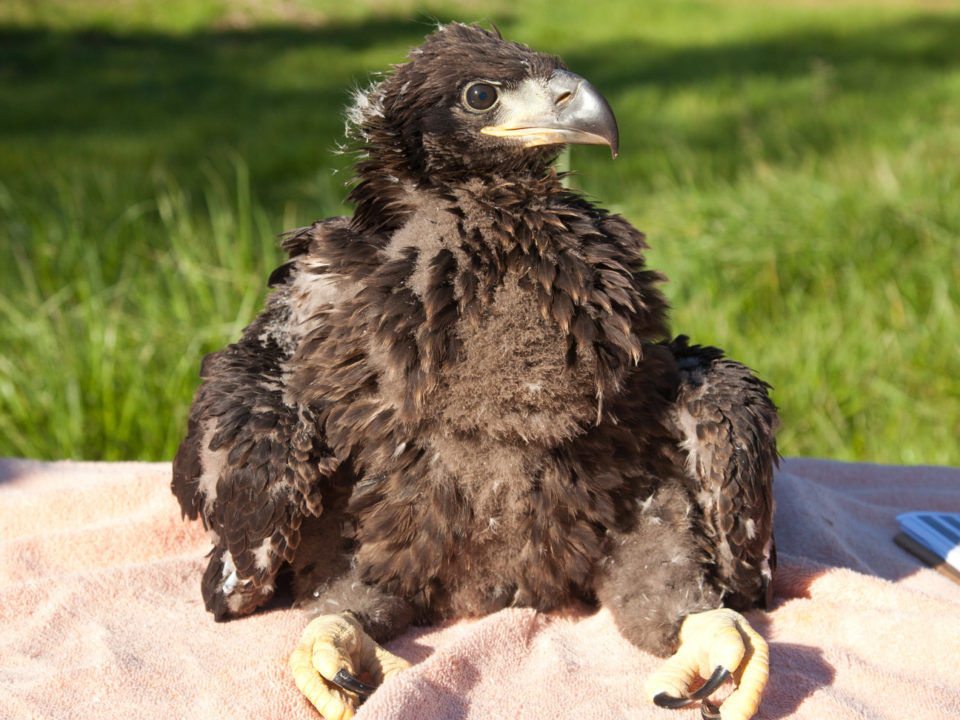
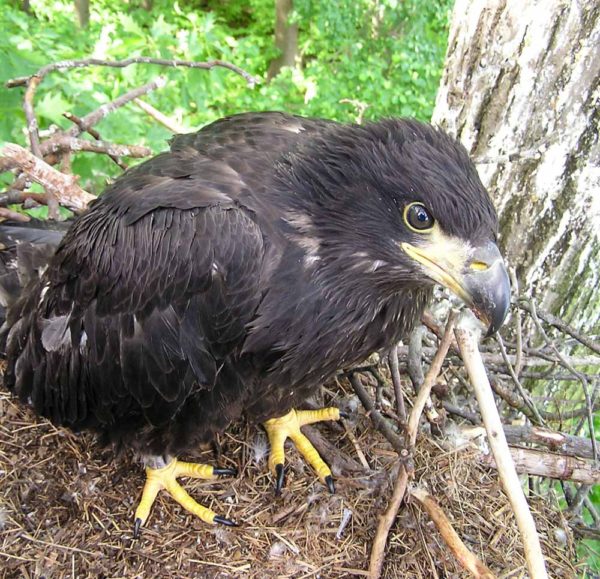
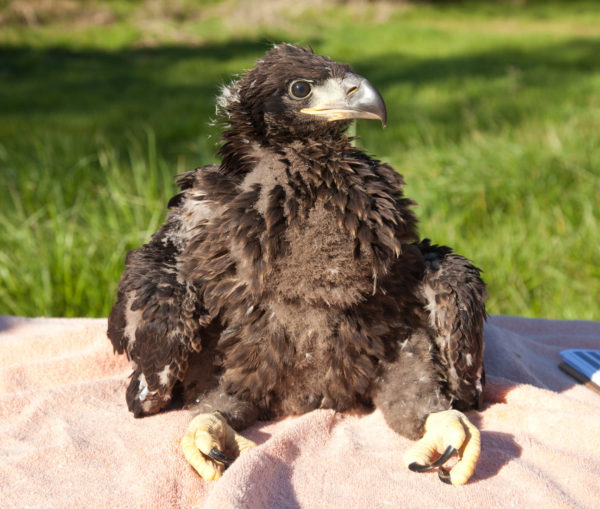
Clean blood for eaglets within lower Chesapeake Bay

By Bryan Watts | bdwatt@wm.edu | (757) 221-2247January 14, 2019 Between 2016 and 2018 CCB in partnership with the National Park Service collected blood samples from […]
Do you like it?
Read more
October 3, 2018
Published by Center for Conservation Biology at October 3, 2018
Categories
  • News Story

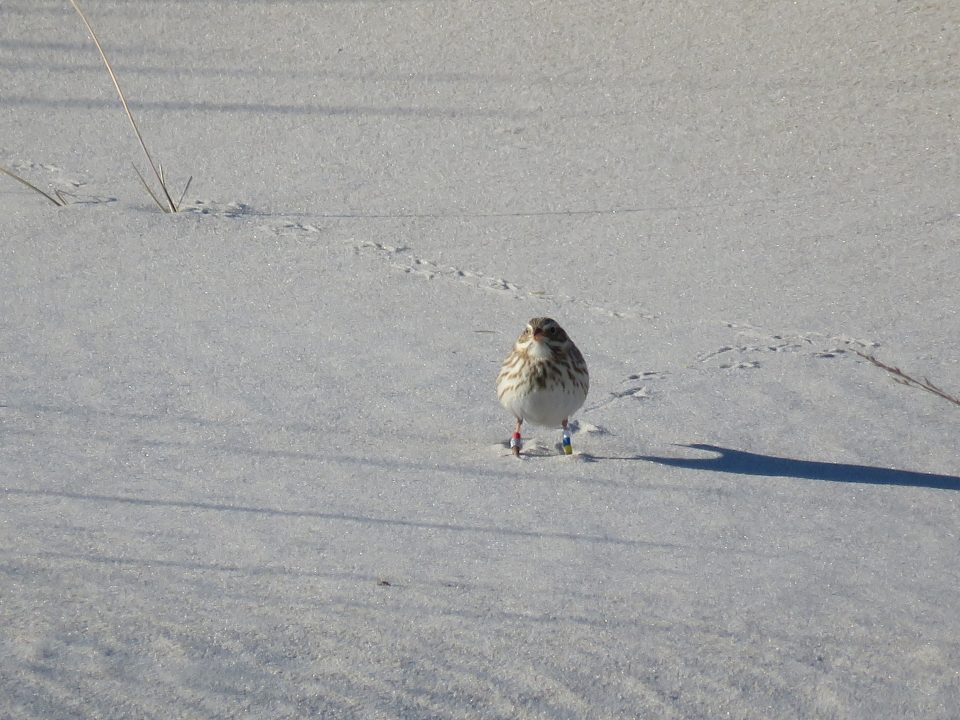
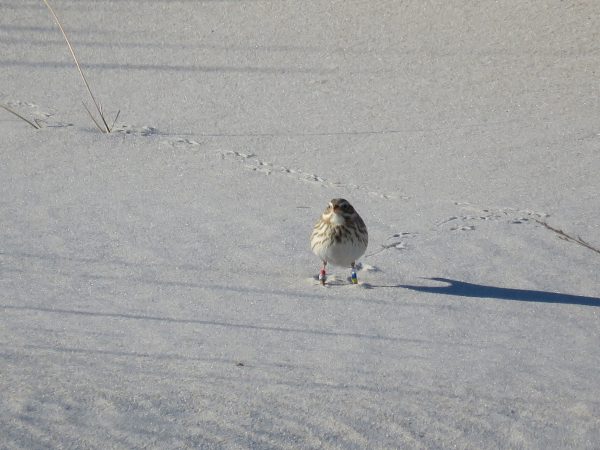
CCB collaborates on study of winter ecology of Ipswich sparrows

By Fletcher Smith | fmsmit@wm.edu | (757) 221-1617 & Sydney Bliss (M.Sc candidate at Dalhousie University) October 3, 2018
Do you like it?
Read more
October 3, 2018
Published by Center for Conservation Biology at October 3, 2018
Categories
  • News Story

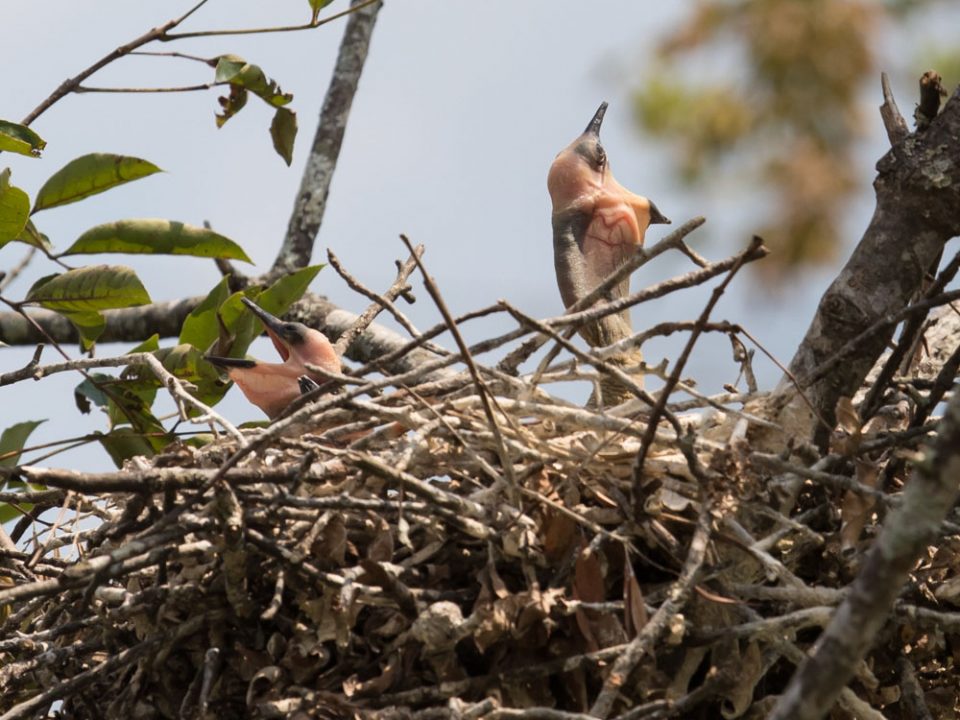
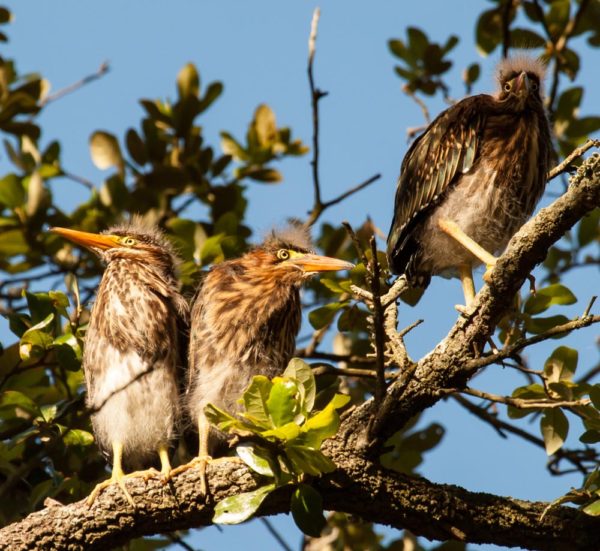
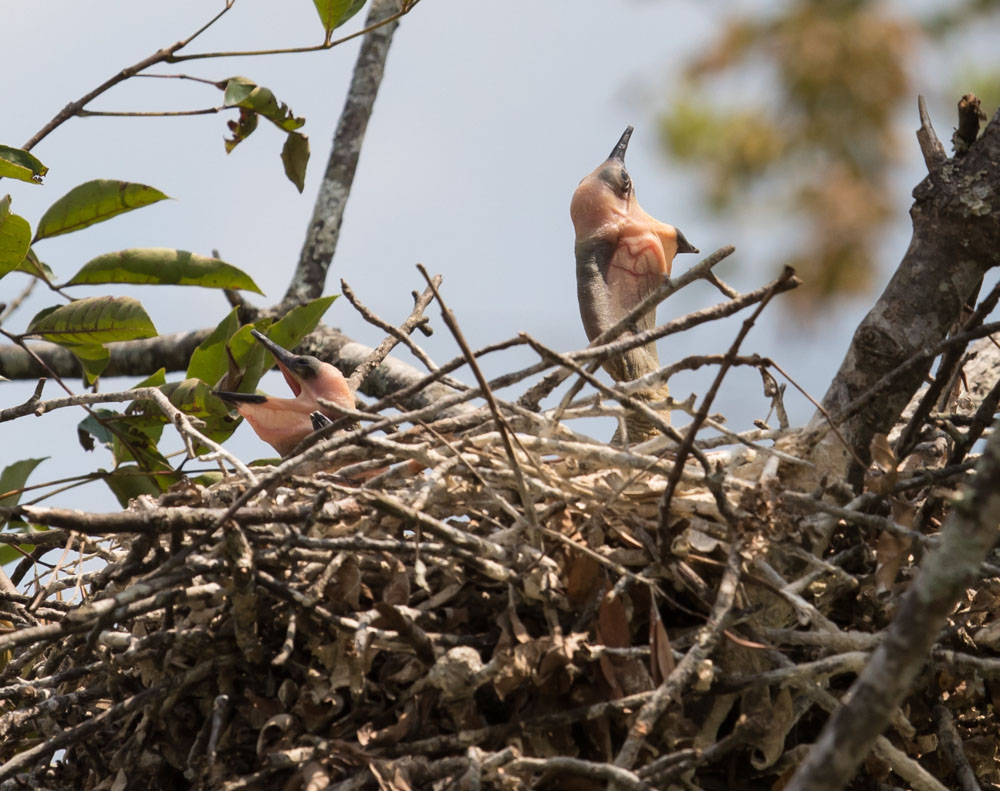
A heron’s tale

By Bryan Watts | bdwatt@wm.edu | (757) 221-2247 October 3, 2018
Do you like it?
Read more
October 2, 2018
Published by Center for Conservation Biology at October 2, 2018
Categories
  • News Story

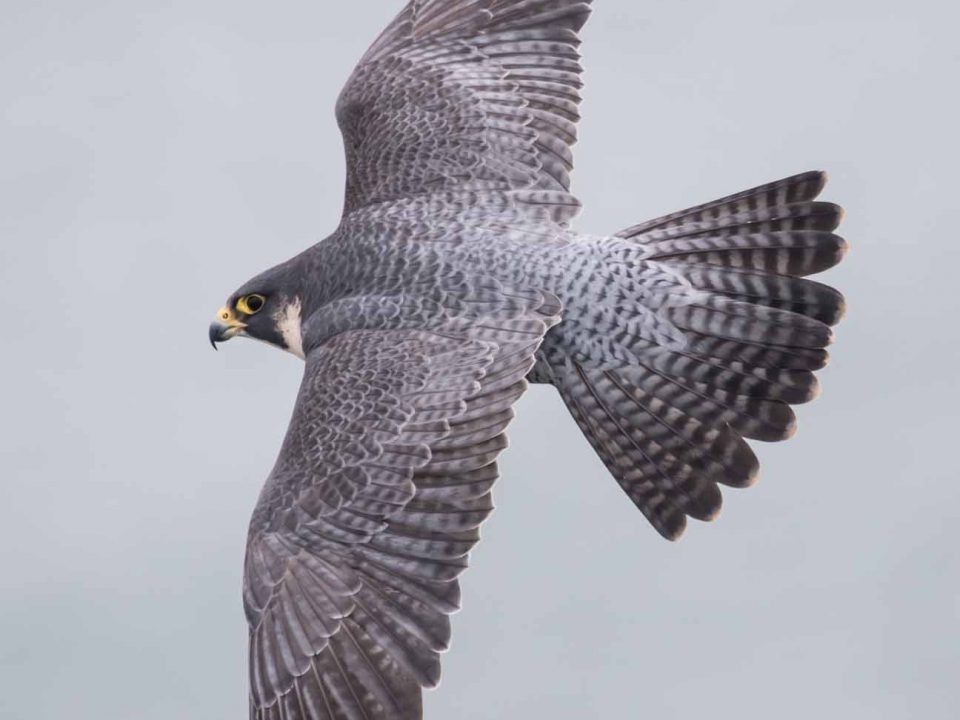
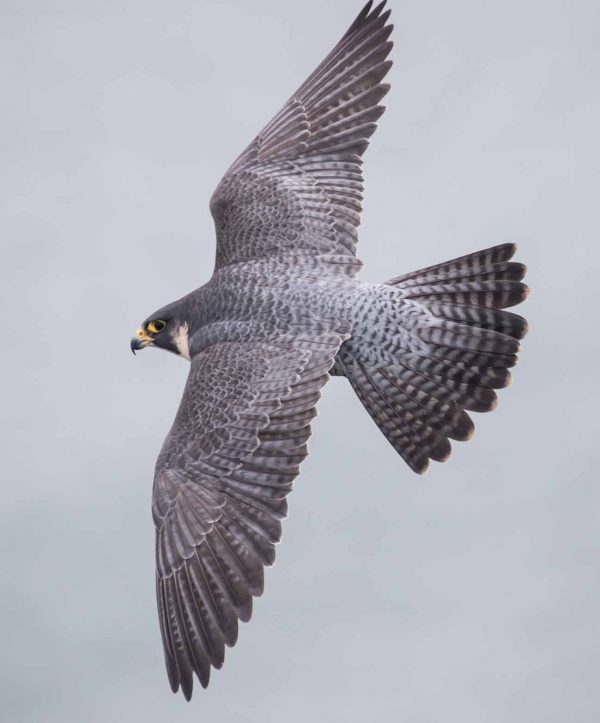
Female peregrines under pressure

By Bryan Watts | bdwatt@wm.edu | (757) 221-2247 October 2, 2018
Do you like it?
Read more
September 26, 2018
Published by Center for Conservation Biology at September 26, 2018
Categories
  • News Story

Losing ground to sea-level rise

By Bryan Watts | bdwatt@wm.edu | (757) 221-2247 September 26, 2018
Do you like it?
Read more
August 23, 2018
Published by Center for Conservation Biology at August 23, 2018
Categories
  • News Story

Anhingas march north

By Bryan Watts | bdwatt@wm.edu | (757) 221-2247 August 23, 2018
Do you like it?
Read more
July 17, 2018
Alt Text
Published by Center for Conservation Biology at July 17, 2018
Categories
  • News Story

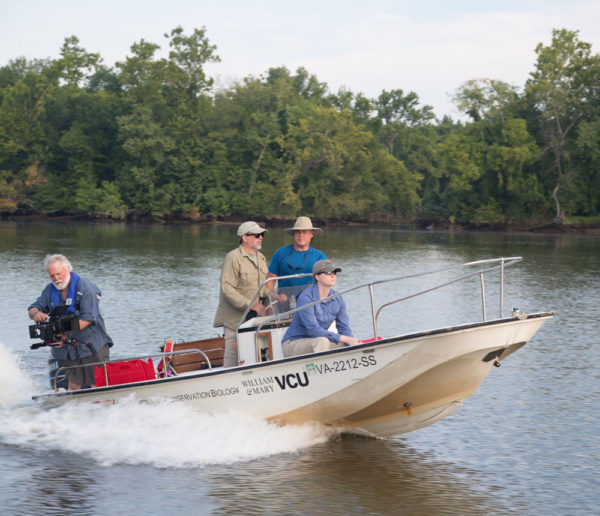
Expedition Chesapeake

By Bryan Watts | bdwatt@wm.edu | (757) 221-2247 July 17, 2018 The Chesapeake Bay is one of the largest estuaries in North America and one of […]
Do you like it?
Read more
July 17, 2018
Published by Center for Conservation Biology at July 17, 2018
Categories
  • News Story

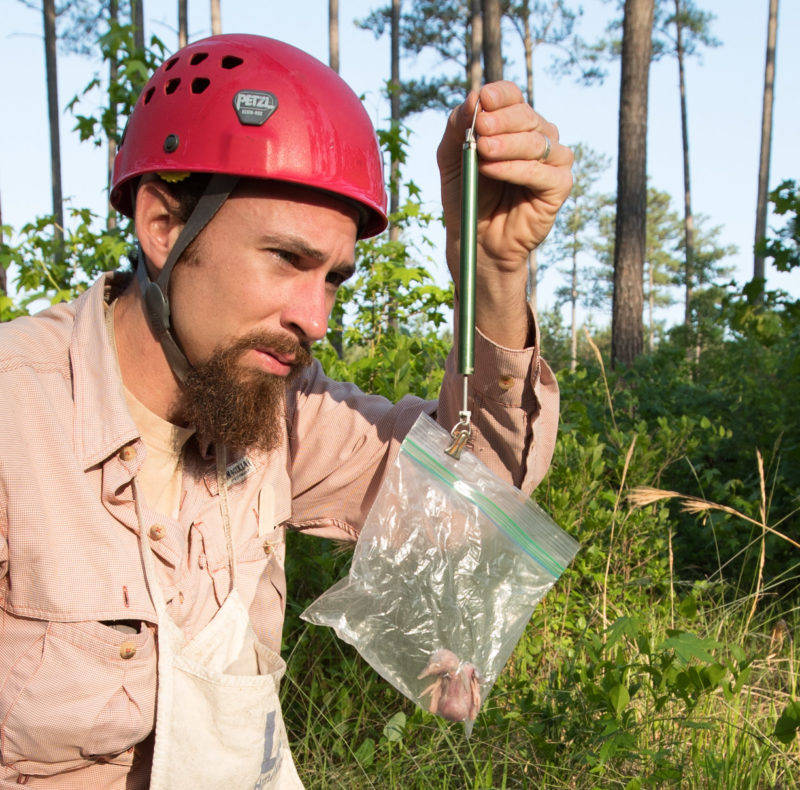
Up and down year for Virginia woodpeckers

By Bryan Watts | bdwatt@wm.edu | (757) 221-2247 July 17, 2018 The 2018 breeding season was a roller coaster for endangered red-cockaded woodpeckers in Virginia.  Moving […]
Do you like it?
Read more
July 17, 2018
Published by Center for Conservation Biology at July 17, 2018
Categories
  • News Story

Urban herons hold their own

By Bryan Watts | bdwatt@wm.edu | (757) 221-2247 July 17, 2018 CCB biologists have monitored breeding herons within residential neighborhoods of tidewater Virginia (including the cities […]
Do you like it?
Read more
July 16, 2018
Published by Center for Conservation Biology at July 16, 2018
Categories
  • News Story

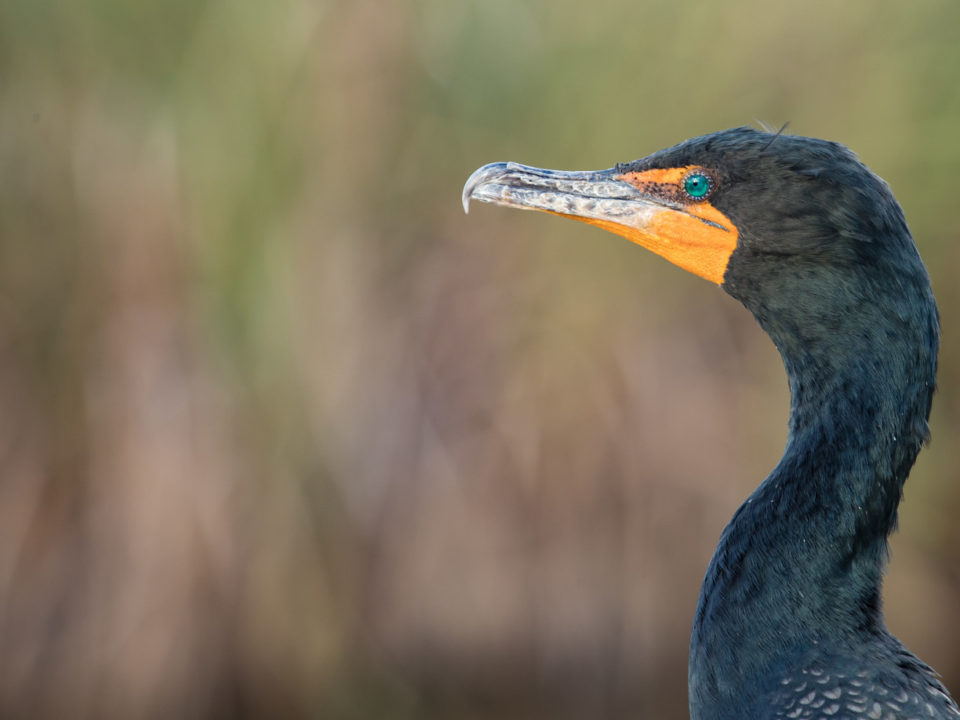
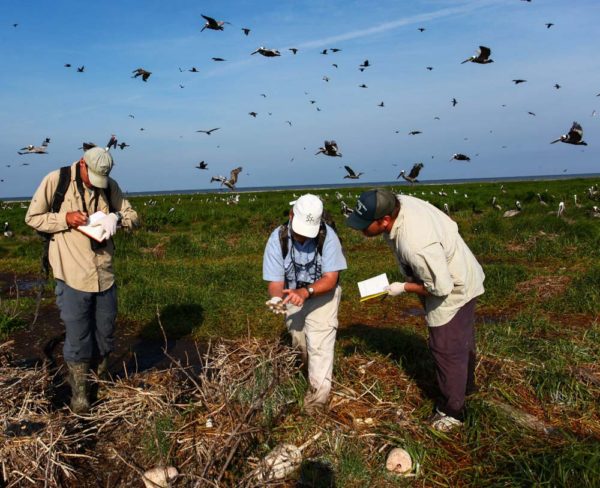
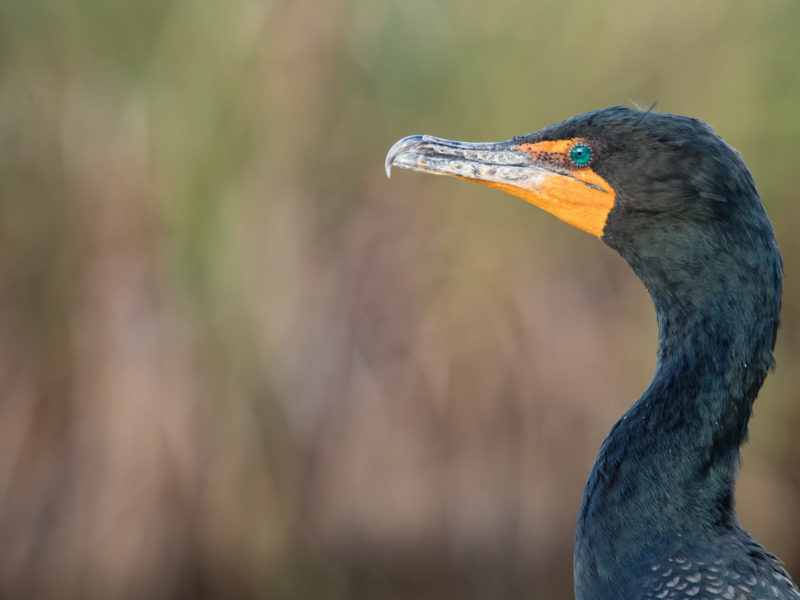
The fish factory

By Bryan Watts | bdwatt@wm.edu | (757) 221-2247 July 16, 2018 The brown pelican and double-crested cormorant nesting colony on South Point Marsh is like a […]
Do you like it?
Read more
July 16, 2018
Published by Center for Conservation Biology at July 16, 2018
Categories
  • News Story

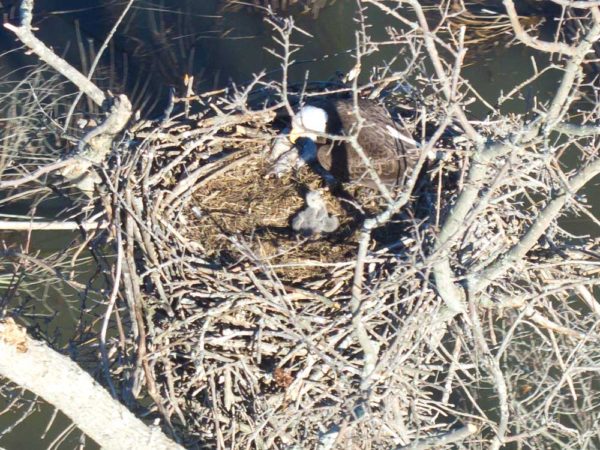
Eagle productivity continues slide

By Bryan Watts | bdwatt@wm.edu | (757) 221-2247 July 16, 2018 The 2018 breeding season along the James River continued a trend that has been documented […]
Do you like it?
Read more
April 5, 2018
Published by Center for Conservation Biology at April 5, 2018
Categories
  • News Story

Eagles after the storm

By Bryan Watts | bdwatt@wm.edu | (757) 221-2247 April 5, 2018 For the Northeast coast, the winter of 2017-2018 went out with a dramatic train of […]
Do you like it?
Read more
April 4, 2018
Published by Center for Conservation Biology at April 4, 2018
Categories
  • News Story

Georgia coast critical for migrating red knots

By Bryan Watts | bdwatt@wm.edu | (757) 221-2247 and Fletcher Smith | fmsmit@wm.edu | (757) 221-1617 April 4, 2018 The coast of Georgia plays a significant […]
Do you like it?
Read more
April 3, 2018
Published by Center for Conservation Biology at April 3, 2018
Categories
  • News Story

A good year for woodpeckers

By Bryan Watts | bdwatt@wm.edu | (757) 221-2247 April 3, 2018 2017 was a good year for red-cockaded woodpeckers in Virginia.  The combined spring, breeding, and […]
Do you like it?
Read more
April 2, 2018
Published by Center for Conservation Biology at April 2, 2018
Categories
  • News Story

Networking Eagles

By Bryan Watts | bdwatt@wm.edu | (757) 221-2247 April 2, 2018 Nonbreeding bald eagles are highly social and form communal roosts around profitable foraging sites.  We […]
Do you like it?
Read more
March 30, 2018
Published by Center for Conservation Biology at March 30, 2018
Categories
  • News Story

Flying to Mecca

By Bryan Watts | bdwatt@wm.edu | (757) 221-2247 March 30, 2018 Fletcher Smith and I had been working birds on the Acadian Peninsula for ten days. […]
Do you like it?
Read more
January 8, 2018
Published by Center for Conservation Biology at January 8, 2018
Categories
  • News Story

Gender Divide in Bald Eagles

By Bryan Watts | bdwatt@wm.edu | (757) 221-2247 January 8, 2018 Unlike many familiar bird species, male and female bald eagles have identical plumage making them […]
Do you like it?
Read more
January 8, 2018
Published by Center for Conservation Biology at January 8, 2018
Categories
  • News Story

Virginia Peregrines have Mixed Year in 2017

By Bryan Watts | bdwatt@wm.edu | (757) 221-2247 January 7, 2018 Virginia supported a known population of 29 pairs of peregrine falcons during the 2017 breeding […]
Do you like it?
Read more
January 8, 2018
Published by Center for Conservation Biology at January 8, 2018
Categories
  • News Story

Moving Woodpeckers 3

By Bryan Watts | bdwatt@wm.edu | (757) 221-2247 January 6, 2018 “She’s a peeker,” I whispered over the radio to let Bart Paxton know that the […]
Do you like it?
Read more
January 3, 2018
Published by Center for Conservation Biology at January 3, 2018
Categories
  • News Story

Using the sword of Damocles to decapitate The Migratory Bird Treaty Act

By Bryan Watts | bdwatt@wm.edu | (757) 221-2247 January 3, 2018 On 22 December as the nation was gearing down for the festive Christmas holiday, the […]
Do you like it?
Read more
October 6, 2017
Published by Center for Conservation Biology at October 6, 2017
Categories
  • News Story

A tough year for Chesapeake osprey

By Bryan Watts | bdwatt@wm.edu | (757) 221-2247 October 6, 2017 The grumblings have gotten louder and louder over the past three years and have increasingly […]
Do you like it?
Read more
October 5, 2017
Published by Center for Conservation Biology at October 5, 2017
Categories
  • News Story

Clutch size in Chesapeake Bay bald eagles: an unexpected history

By Bryan Watts | bdwatt@wm.edu | (757) 221-2247 October 5, 2017 There was a time during the late 1800s through the mid-1900s when bird eggs were […]
Do you like it?
Read more
Prev page
123456789101112131415161718
Next page
  • News Room
    • News Stories
    • Press Releases
    • Media Coverage
    • Photo Essays
    • Conservation Stories
    • Blogs
      • EagleTrak Blog
      • Eagle Nest Blog
      • OspreyTrak Blog

News Archives

GET INVOLVED

Join the Nightjar Network or Become an Osprey Watcher Nightjar Network Osprey Watch

READ

 News Stories
 Conservation stories
 Photo essays

Stay Connected

Sign up for the CCB Newsletter:
* = required field
unsubscribe from list

ABOUT US

From the Director
Annual Report
Mission
History
Staff
Contact us

WHAT WE DO

EDUCATION
Students
Internships
Public presentations

RESEARCH
Species of concern
Bird migration
Human impacts
Ecological services
Tracking

RESOURCES

Project Portal
Mapping Portal
Eagle Nest Locator
Publications
The Raven
Baker Library

NEWS ROOM

News Stories
Media Coverage
Press releases
Conservation Stories
Blogs

Give to CCB

GuideStar Logo

The Center for Conservation Biology
©2022 The Center for Conservation Biology