ccb-logo-vertical-shadowccb-logo-vertical-shadowccb-logo-vertical-shadowccb-logo-vertical-shadow
  • About Us
    • From the Director
    • Annual Report
    • Mission
    • History
    • Equipment Use Rates
    • Staff
    • Contact Information
  • What We Do
    • Education
      • Students
      • Internships
      • Public Presentations
    • Research
      • Species of Concern
        • Bald Eagle
          • Eagle Nest Locator
          • Annual Survey
          • Report a Nest
          • EagleTrak & Blog
          • Eagle Nest Blog
          • Facts About Eagles
          • Status in Virginia
          • Eagle Roosts
          • Migratory Populations
          • Eagle Video
          • Eagle Bands
          • Partners
        • Black Rail
          • Population
          • Protection Status
          • Threats
          • Working Group
        • Peregrine Falcon
          • Species Profile
          • Natural History
          • Falcon Populations
          • Virginia Reintroduction
          • Virginia Hacking
          • Virginia Monitoring
          • Virginia Management
          • FalconTrak
          • Report Falcon Sightings
          • Partners
        • Shorebird Roost Registry
        • Species of Concern Projects
      • Bird Migration
        • Bird Migration Projects
      • Human Impacts
        • Human Impacts Projects
      • Ecological Services
        • Ecological Services Projects
      • Tracking
        • Tracking Projects
  • Resources
    • Project Portal
    • Mapping Portal
    • Eagle Nest Locator
    • Publications
    • The Raven
    • Baker Library
      • Paul Seaman Baker
      • Contribute
  • News Room
    • News Stories
    • Press Releases
    • Media Coverage
    • Photo Essays
    • Conservation Stories
    • Blogs
      • EagleTrak Blog
      • Eagle Nest Blog
  • GIVE

Playing the Long Game

  • Home
  • News Story
  • Playing the Long Game
Lost Colony
October 8, 2025
Fuzzzo
January 15, 2026
Published by Center for Conservation Biology at January 15, 2026
Categories
  • News Story
Tags
  • Annual Report

By: Bryan Watts
1/5/26

Every day the pace of life seems to accelerate, and it feels like the world is coming to a boil.  Social media feeds and short news cycles crash over us like waves.  We often find ourselves lost in a mosh pit with everyone gyrating in random directions.  Those of us who live within the conservation world recognize that progress does not fit within today’s short attention spans, news feeds or flavors of the day.  Restoring habitats or recovering species often requires generations to achieve.  To be successful, we must filter out the day-to-day noise and focus on the long game.
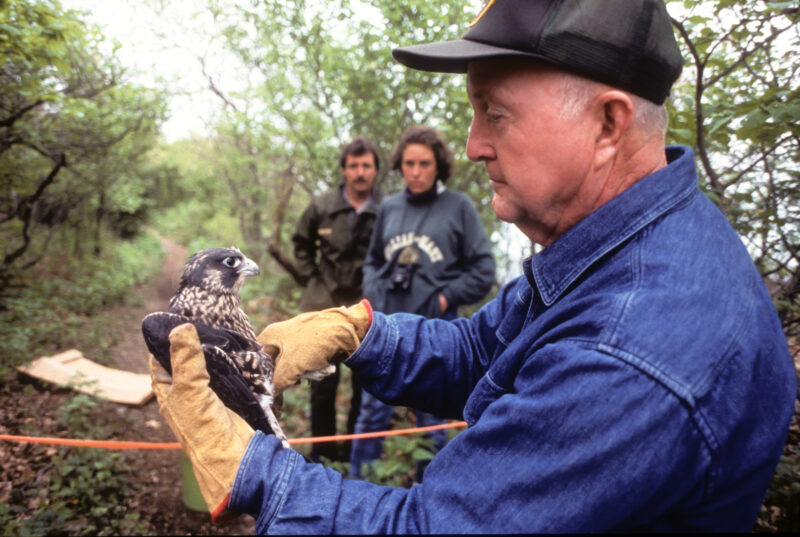
Mitchell Byrd with captive-reared falcon to be placed in hack box on Hawksbill within Shenandoah National Park for release. Looking on are Keith Watson (lft) from National Park Service and Amanda (Allen) Beheler (rt) William & Mary student. CCB released nearly 250 falcons in Virginia as part of the early restoration program. Photo by Tim Wright.
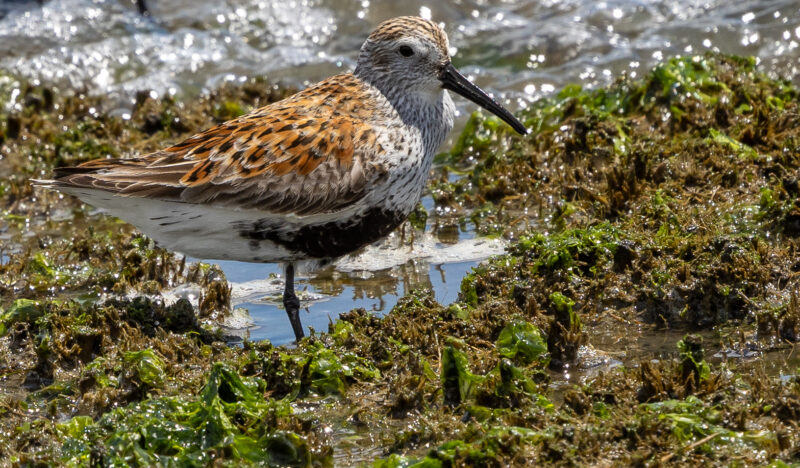
Dunlin feeding on intertidal peat bank along the Virginia barrier islands. CCB conducted aerial surveys of shorebirds along the seaside of the Delmarva Peninsula for decades beginning in 1993. Unlike most of the migrant shorebirds, dunlin are temperate migrants and are the most abundant species during winter along the Delmarva. Photo by Bryan Watts.

Playing the long game means resisting the temptation to chase quick wins and aligning your efforts to achieve larger, more meaningful results that take time.  The long game requires strategic thinking where we consider the long-term implications of our investments and recognize that consistent effort is more valuable than intermittent bursts.  In a world obsessed with fast results and dependent on short grant cycles, playing the long game requires the courage and commitment to swim upstream when everyone else is swimming downstream.  Short-term thinking leads to a lifetime of running in place.  For many conservation problems, the long game is the only path that will produce the durability that lasting conservation requires.
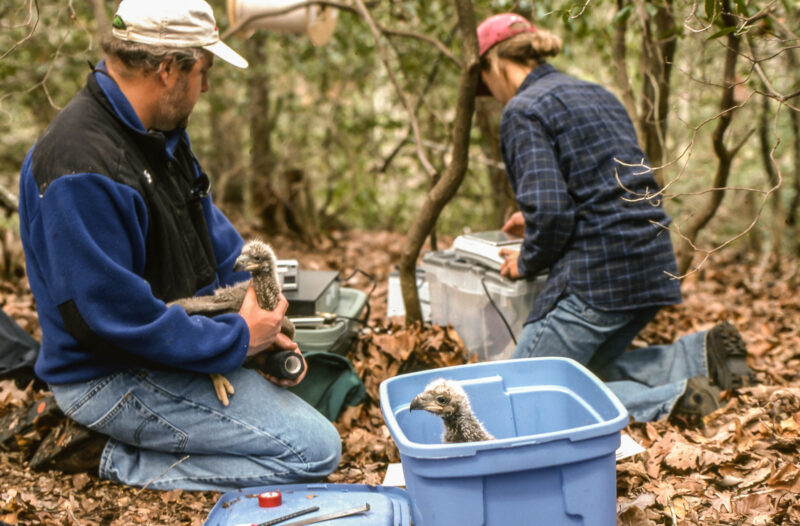
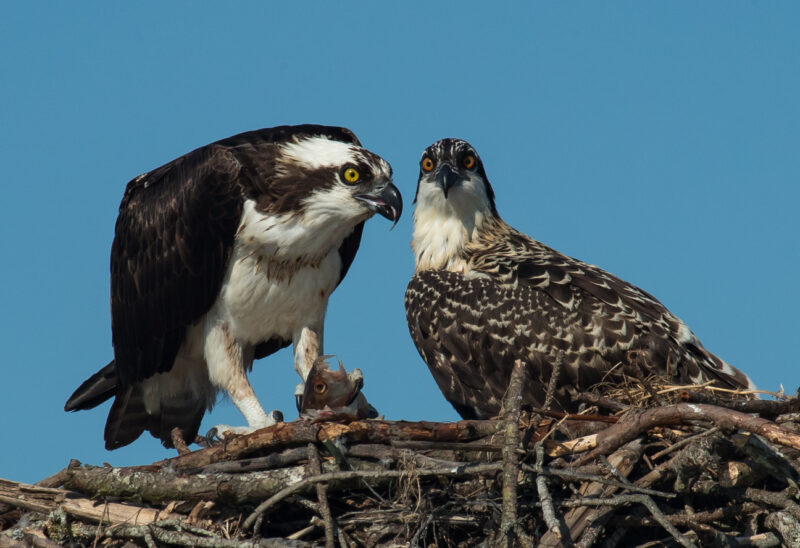
Bart Paxton (lft) and Catherine Markham (rt) process a brood of bald eagles along the James River as part of a diet and growth study. CCB has worked on hundreds of eagle projects over the past 50 years to move conservation forward. Photo by Bryan Watts.
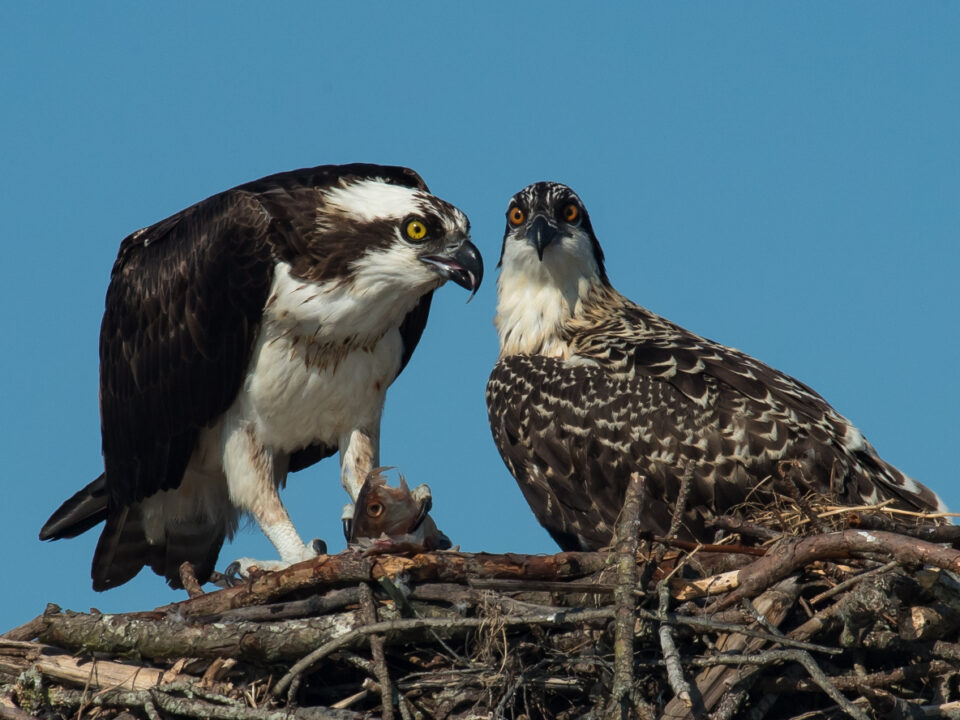
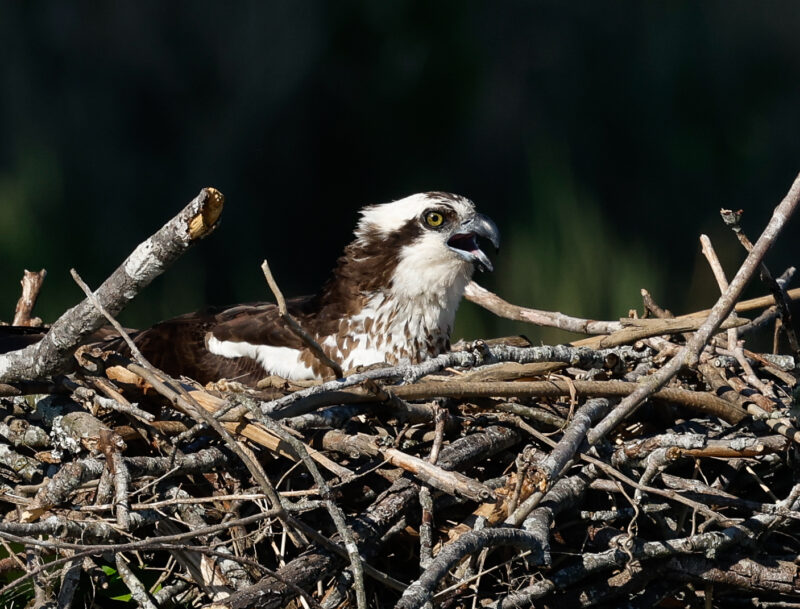
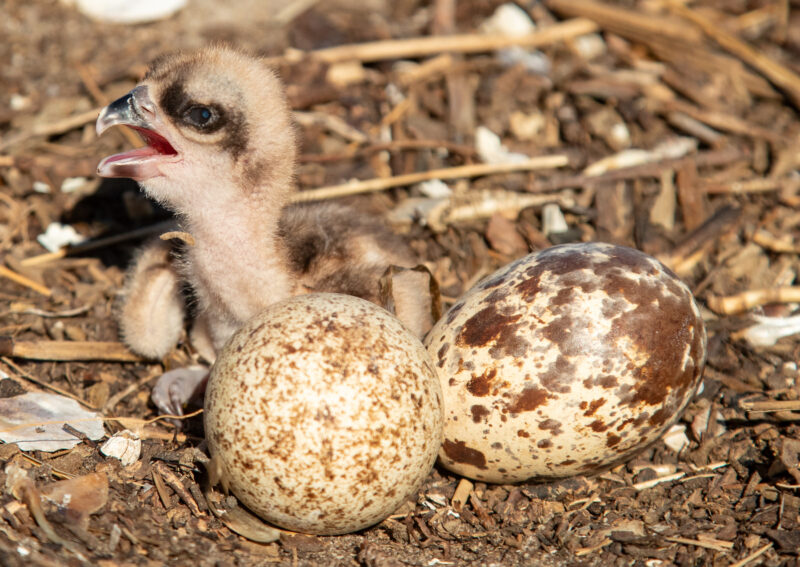
Osprey hatchling in nest on the York River. Ospreys have suffered a long parade of insults over the past several decades that have had population-level impacts. The current threat within the Chesapeake Bay is the lack of menhaden. Scores of young like this one have starved in nests in recent years due to the lack of menhaden. CCB continues our long commitment to this species. Photo by Bryan Watts.

The Center has worked on thousands of conservation problems with hundreds of species including several dozen where we have made multi-decade commitments to their future.  The challenge of fitting a long-term project within a short-cycle world is that you must be innovative in arranging short-term objectives that together reach the longer endgame.  Within this annual report, I highlight some of the challenges and strategies of operating bird conservation on a long time horizon.
Share
Center for Conservation Biology

Related posts

January 15, 2026

Eagles and Catfish in the Chesapeake Bay


Read more
January 15, 2026

Peregrine Clutches


Read more
January 15, 2026

Back to the Glades in Search of Black Rails


Read more

Comments are closed.

  • News Room
    • News Stories
    • Press Releases
    • Media Coverage
    • Photo Essays
    • Conservation Stories
    • Blogs
      • EagleTrak Blog
      • Eagle Nest Blog
      • OspreyTrak Blog

News Archives

GET INVOLVED

Join the Nightjar Network or Become an Osprey Watcher Nightjar Network Osprey Watch

READ

 News Stories
 Conservation stories
 Photo essays

Stay Connected

Sign up for the CCB Newsletter:
* = required field

ABOUT US

From the Director
Annual Report
Mission
History
Staff
Contact us

WHAT WE DO

EDUCATION
Students
Internships
Public presentations

RESEARCH
Species of concern
Bird migration
Human impacts
Ecological services
Tracking

RESOURCES

Project Portal
Mapping Portal
Eagle Nest Locator
Publications
The Raven
Baker Library

NEWS ROOM

News Stories
Media Coverage
Press releases
Conservation Stories
Blogs

Give to CCB

GuideStar Logo

The Center for Conservation Biology
©2022 The Center for Conservation Biology