Lost Colony
October 8, 2025
Fuzzzo
January 15, 2026By: Bryan Watts
1/5/26
Every day the pace of life seems to accelerate, and it feels like the world is coming to a boil. Social media feeds and short news cycles crash over us like waves. We often find ourselves lost in a mosh pit with everyone gyrating in random directions. Those of us who live within the conservation world recognize that progress does not fit within today’s short attention spans, news feeds or flavors of the day. Restoring habitats or recovering species often requires generations to achieve. To be successful, we must filter out the day-to-day noise and focus on the long game.
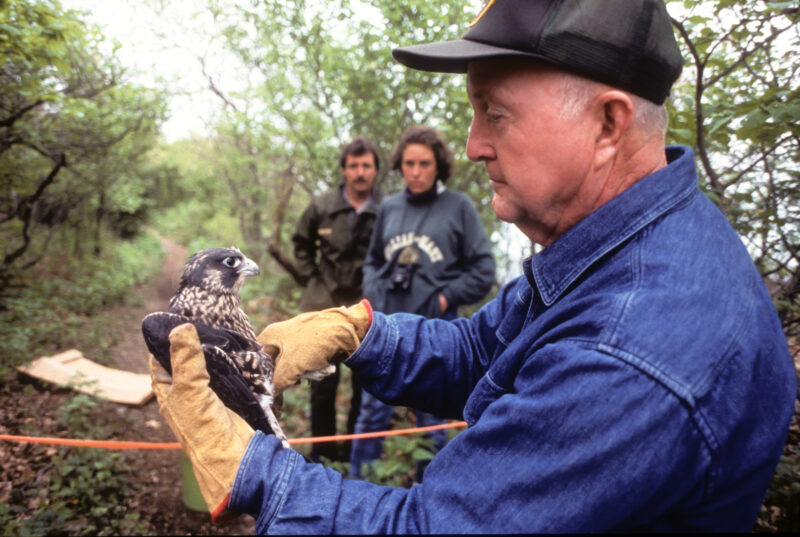

Playing the long game means resisting the temptation to chase quick wins and aligning your efforts to achieve larger, more meaningful results that take time. The long game requires strategic thinking where we consider the long-term implications of our investments and recognize that consistent effort is more valuable than intermittent bursts. In a world obsessed with fast results and dependent on short grant cycles, playing the long game requires the courage and commitment to swim upstream when everyone else is swimming downstream. Short-term thinking leads to a lifetime of running in place. For many conservation problems, the long game is the only path that will produce the durability that lasting conservation requires.
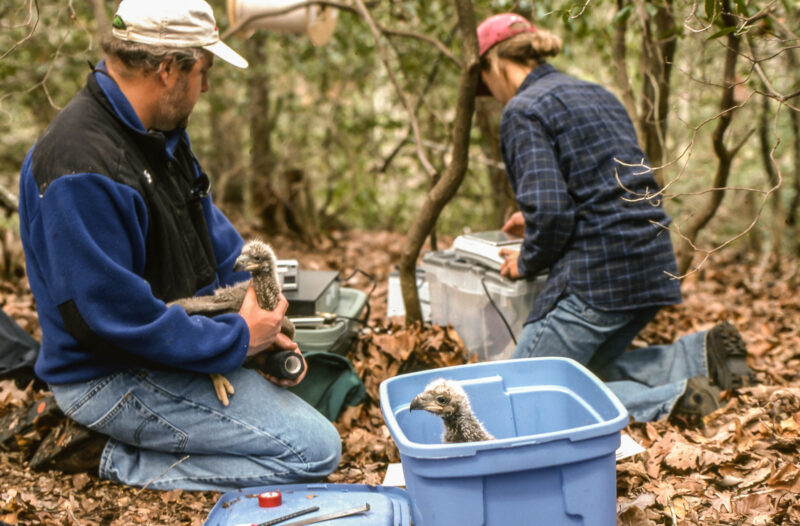
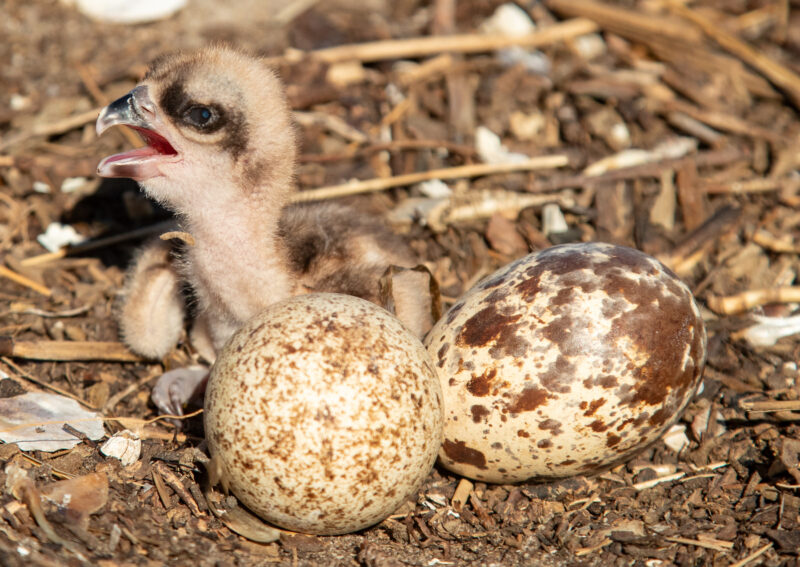
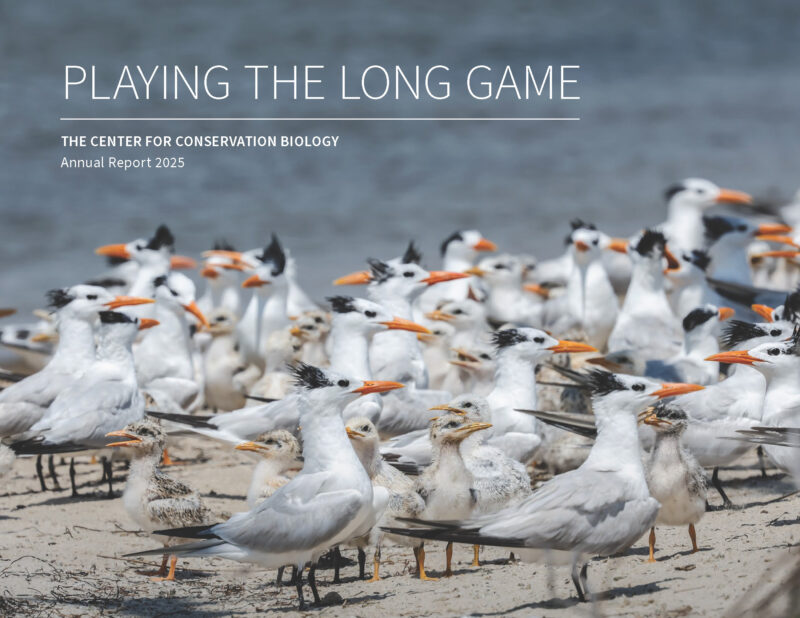
The Center has worked on thousands of conservation problems with hundreds of species including several dozen where we have made multi-decade commitments to their future. The challenge of fitting a long-term project within a short-cycle world is that you must be innovative in arranging short-term objectives that together reach the longer endgame. Within this annual report, I highlight some of the challenges and strategies of operating bird conservation on a long time horizon.