
Back to the Glades in Search of Black Rails
Fuzzzo
January 15, 2026Peregrine Clutches
January 15, 2026By: Chance Hines
1/7/26
Black rails are not birds you see, they are birds you hear… if you are lucky. Despite more and more people turning onto birdwatching, fewer and fewer get a chance to encounter them. This is largely because the population throughout most of its range has declined sharply over the last few decades, leading to the eastern subspecies falling onto the Endangered Species List. These declines are thought to primarily be driven by changes in tidal flooding dynamics at saltmarsh patches where the bulk of eastern black rail populations historically called home. These changes are the results of a shifting climate, offering little recourse to land managers in coastal areas to support local populations.

While black rail populations that called saltmarsh their home in the past have been decimated, hope for the species remains. Not all black rails depend on coastal wetlands. A portion of the population uses inland wetlands. Most inland wetland patches that support black rails are relatively small and, in some areas like the Sierra Nevada Foothills, a collection of these small wetlands can support a sizable population. In the eastern United States, however, there are very few places where conditions align to support black rails at a meaningful scale.
One notable exception to this appears to be in South Florida where black rails can be detected across vast portions of the Everglades ecosystem. There, CCB led survey efforts in 2020 and 2021 that revealed a number of details about black rail habitat preferences. Similar to black rail populations in other areas, the species preferred areas with few trees, wet soils that are not too deeply inundated, and topography that includes both high and low areas. All of these conditions can be found in a distinctive type of grassland called marl prairie.
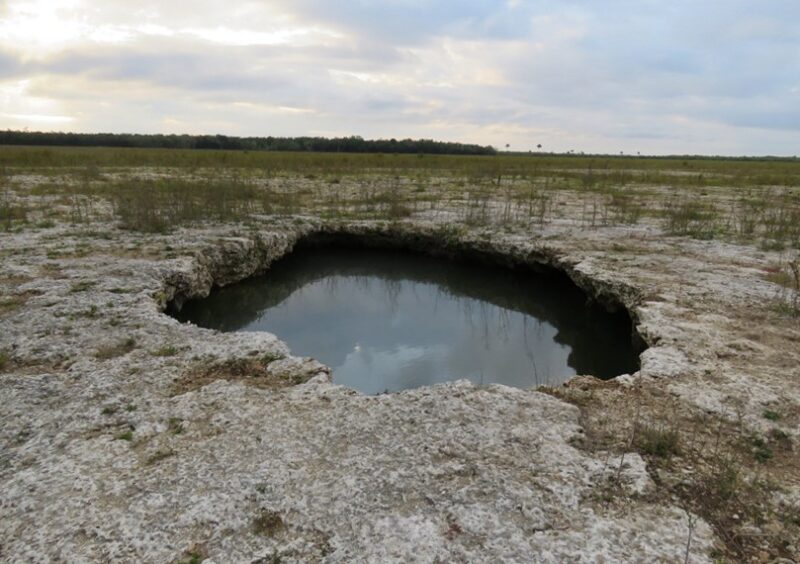
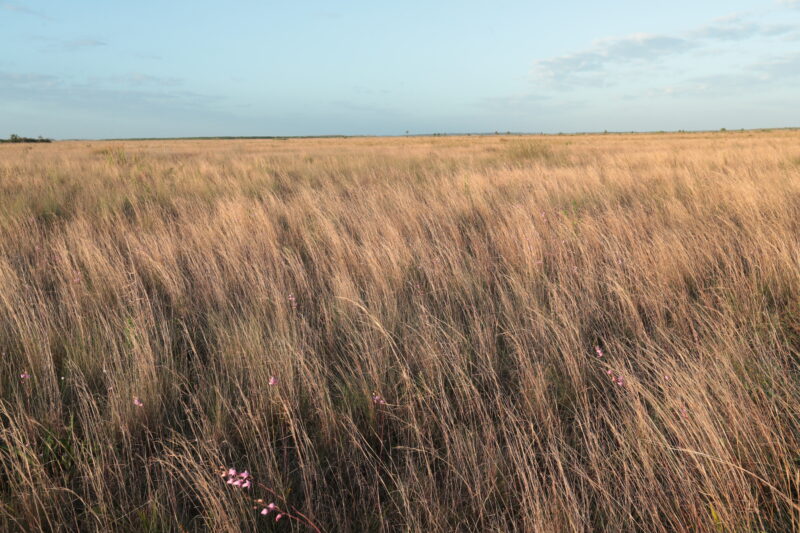
In 2026, CCB is returning to South Florida to begin a new phase of work that focuses on exploring two management aspects: fire and hydrological management techniques that benefit black rails. Fire plays a critical role in marl prairie by setting back succession and limiting woody plant growth. Without it, shrubs and trees slowly move in, changing the structure of the marsh and making it unsuitable for rails. We’ll be examining how fire history influences rail occupancy with the ultimate goal of identifying the optimal time for this management practice to maximize habitat quality. We are also aiming to understand how hydrological restoration influences occupancy by providing wet soils that persist during the dry season, when other wet areas dry up.
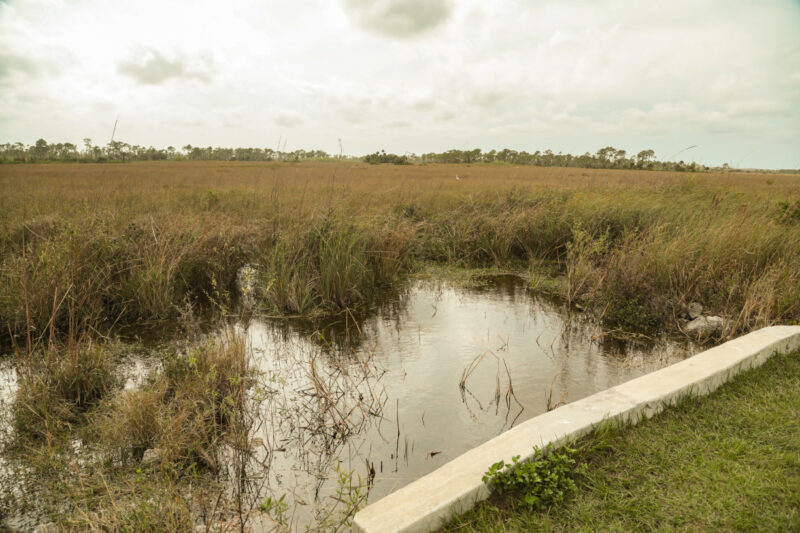
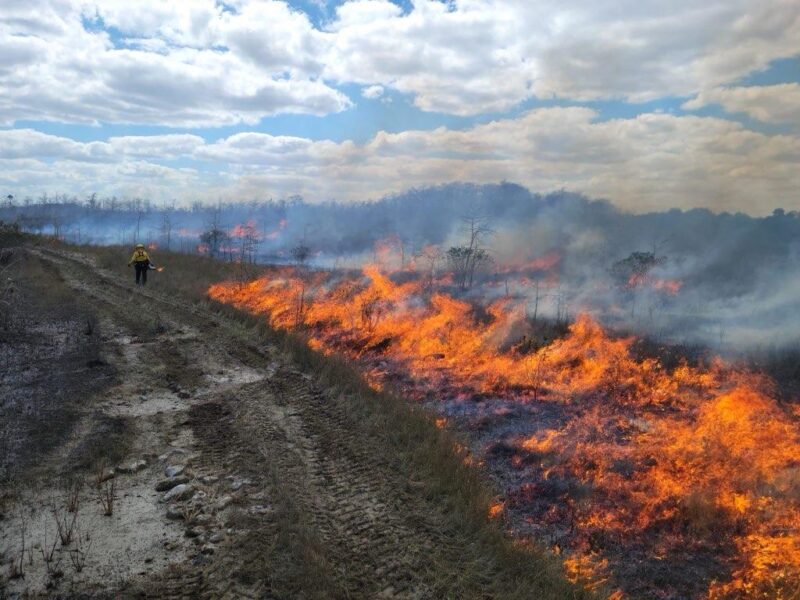
Identifying the combinations of fire and water availability that best supports black rails will help managers refine restoration and maintenance strategies in ways that sustain suitable habitat over time. In a system where large-scale climate forces limit management options in coastal areas, understanding how inland wetlands can be maintained for black rails is critical to supporting the species’ persistence into the future.
